-
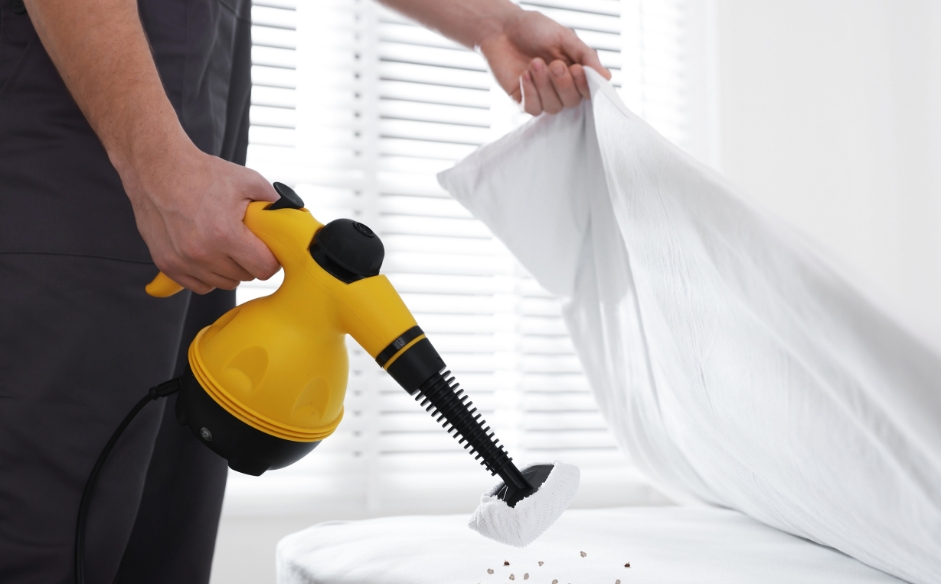
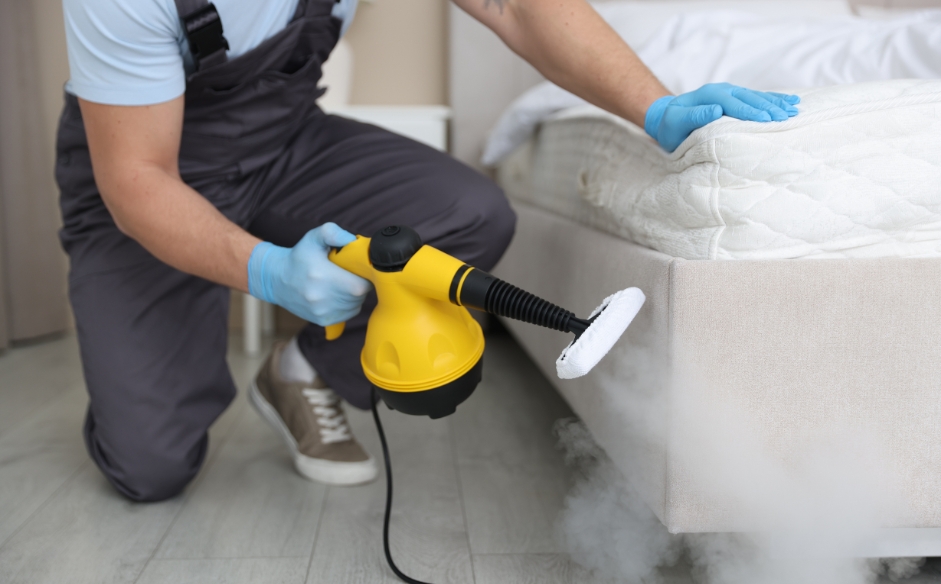
 Short answer: Heat kills bed bugs and their eggs in one go but leaves no residual protection. Chemical treatment can be targeted and, with the right product, keeps working after application, but not every insecticide kills eggs and some bed
 -
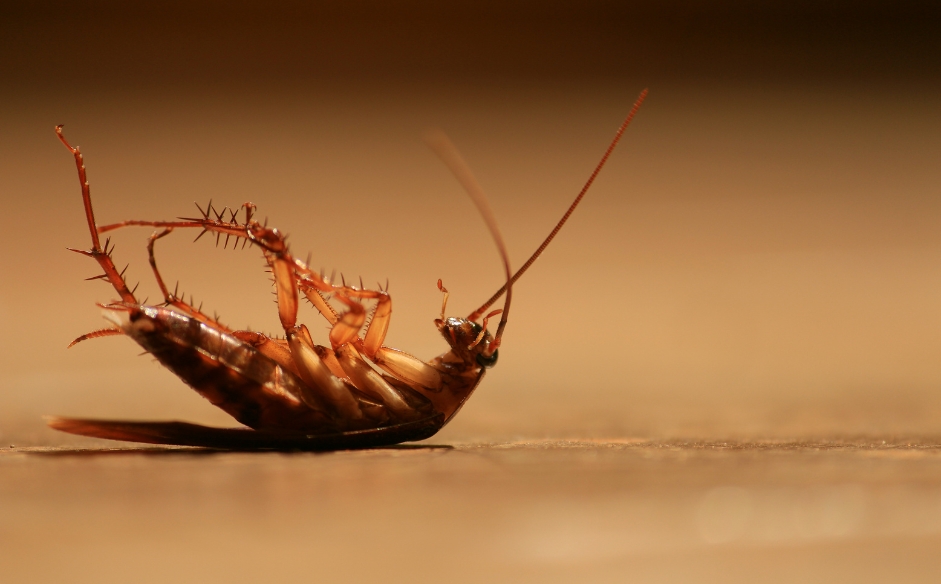
Short answer: Cut off food and water, seal the gaps they come in through, clear clutter, and put gel bait where you have seen activity.Spraying the ones you see does nothing about the nest. If cockroaches keep appearing after two
-
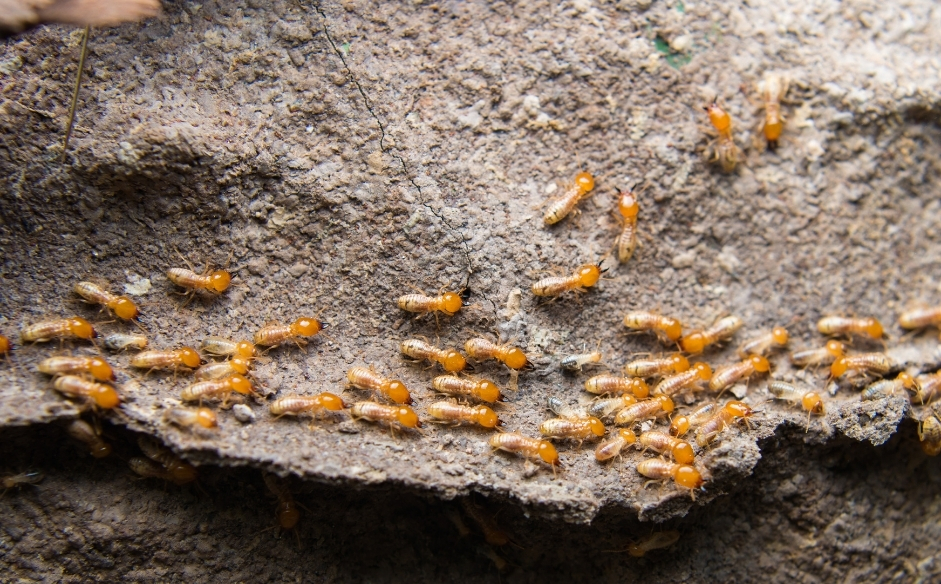
Short answer: Both termite baiting systems and liquid treatments can be effective for termite control, but they work differently.Liquid treatments create a treated zone that helps prevent termites from reaching a property, while baiting systems use slow-acting bait to target
-
Short answer: Common signs of termites in wooden door frames include mud tubes, hollow-sounding timber, blistering or bubbling paint, damaged or weakened wood, discarded wings and termite droppings.However, some of these signs can resemble moisture damage or wood-boring insect activity,
-
Many homeowners are relieved when a pest control company advertises a “no smell” treatment. After all, strong chemical odours are often associated with traditional pest control methods, leading people to worry about safety, comfort, and lingering smells in their homes.However,
-
Finding bed bugs in your home is stressful enough. After spending hours vacuuming mattresses, carpets, bed frames, and furniture, many homeowners assume the problem has been solved. However, a common question remains: can bed bugs survive in vacuum cleaners?The short