Short answer: Heat kills bed bugs and their eggs in one go but leaves no residual protection. Chemical treatment can be targeted and, with the right product, keeps working after application, but not every insecticide kills eggs and some bed bugs are resistant. Neither is the universal answer.
The right choice depends on how far the infestation has spread, where the bugs are hiding, what is in the room, and whether a previous treatment has already failed. Many professional plans use both.
What Is Bed Bug Heat Treatment?
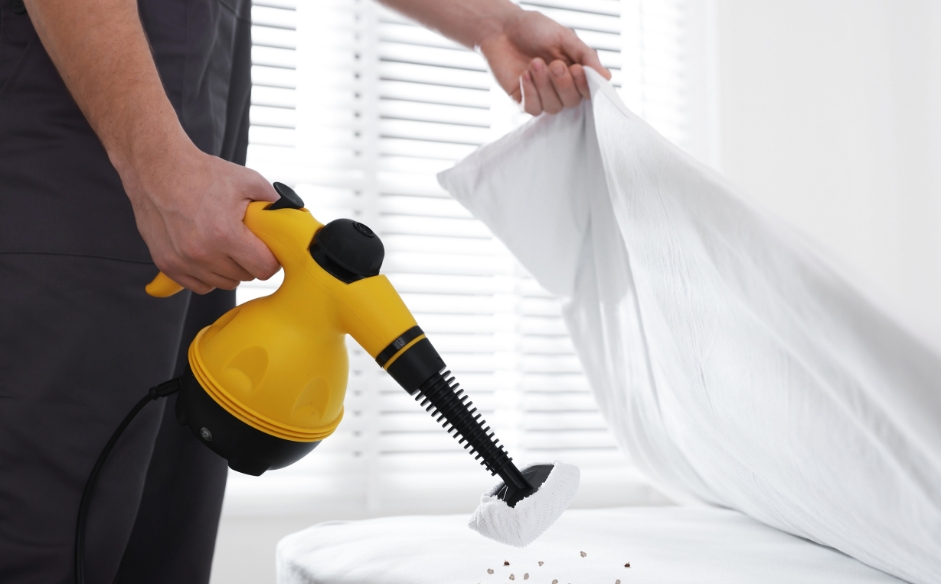
Controlled high temperatures, raised and monitored with professional equipment, until every hiding place reaches a level lethal to bed bugs and eggs. The monitoring is the point: heat has to reach inside mattresses, frames, skirting and cracks, not just warm the room.
This is not the same as turning up the thermostat. The US EPA warns that heating a home with a thermostat, propane space heater or fireplace “does not work and is dangerous”.
What Are The Advantages Of Heat Treatment?
- Kills all life stages, including eggs, when the right temperature is reached
- Penetrates cracks and crevices that are hard to treat by hand
- Leaves no pesticide residue
- Suits situations where reducing pesticide use is a priority
Heat-sensitive belongings (electronics, some plastics, certain furniture) need to be removed or protected first.
What Is Chemical Treatment For Bed Bugs?
Insecticides approved for bed bugs, applied to the cracks, crevices and furniture where they hide and travel.
Common classes include pyrethroids, desiccants, neonicotinoids, pyrroles and insect growth regulators, each working differently. Done properly, it follows a careful inspection and targets harbourage areas rather than spraying whatever is visible.
What Are The Advantages Of Chemical Treatment?
- Targeted application to specific hiding spots
- Residual activity with some products, so it keeps working after the technician leaves
- Fits an ongoing plan with follow-up applications
- Several chemical classes available, which matters where resistance is a concern
Products must be used strictly to label: the right pest, the right location, the right dose.
Heat Treatment Vs Chemical Treatment: Side By Side
Factor | Heat treatment | Chemical treatment |
|---|---|---|
Method | Controlled high temperature | Targeted insecticide application |
Kills eggs | Yes, at the right temperature | Depends on the product |
Residue | None | May leave residual product |
Hard-to-reach areas | Heat penetrates when properly conducted | Needs correct application to harbourages |
Heat-sensitive items | Must be removed or protected | Not exposed to heat |
Resistance | Not affected | Can affect some insecticides |
Follow-up | Monitoring still needed | Repeat treatment may be needed |
Safety | Careful temperature control | Correct product selection and application |
Which Treatment Is Right For My Infestation?
Four things decide it.
Factor | What it changes |
|---|---|
Size of the infestation | A localised problem in one bed is handled differently from bugs across several rooms; inspection first |
Where they are hiding | Mattresses, frames, furniture, cracks and skirting all need covering, not just where you saw them |
Contents of the room | Electronics, plastics and some furniture complicate heat; some surfaces restrict certain chemicals |
Previous treatment | If insecticide already failed, find out why before repeating it: resistance, missed hiding places, poor preparation or no follow-up |
Does Heat Treatment Kill All Bed Bugs?
Yes, when the required temperature reaches every hiding place, and that is the catch.
Making a room hot is not enough; professionals monitor temperatures in the spots where bugs hide. Heat also leaves no residual effect, so bed bugs brought in afterwards can start a fresh infestation.
Does Chemical Treatment Kill Bed Bug Eggs?
Only some products do.
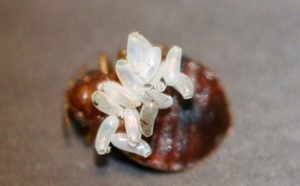
Eggs that survive hatch later and repopulate the treated area, which is why follow-up visits and monitoring are built into a proper plan. Treatment has to account for the whole life cycle, not assume one application finishes the job.
Can Heat And Chemical Treatment Be Combined?
Yes. The EPA describes bed bug control as integrated pest management: inspection, monitoring, non-chemical methods and appropriately chosen pesticides together.
Whether combining makes sense for your property is a call for the technician after inspection.
What Should I Do Before Treatment?
Reduce clutter, bag what can be treated separately, and open up access. Depending on the plan:
- Clear clutter around the bed and furniture
- Launder or heat-treat bedding and clothing; the EPA notes a clothes dryer on high heat works
- Keep potentially infested items sealed when moving them
- Give access to bed frames, skirting and other hiding places
- Follow the pest control company’s preparation list
Items that can’t be treated should go in sealed bags or containers so they don’t reinfest the treated area.
Why Shouldn’t I Try DIY Heat Or Household Chemicals?
Because both can burn your house down without killing the bugs.
Don’t use | Why |
|---|---|
Portable heaters, fireplaces, thermostat | Fire hazard; won’t reach lethal temperature where bugs hide |
Rubbing alcohol, kerosene, petrol | Serious fire and health hazard; the EPA warns they “can easily ignite with a spark or cigarette” |
General-purpose insecticide | Not labelled for bed bugs; likely ineffective |
If you use a pesticide yourself, choose one labelled for bed bugs and follow the instructions.
Professional Bed Bug Treatment In Singapore
Ninja Pest Control inspects first, then recommends bed bug treatment based on where the bed bugs are and how far they’ve spread. That may mean targeted treatment, monitoring and follow-up visits.
Finding the full extent of the infestation before treating avoids the common failure of treating only the spots where bugs were seen.
FAQ
Is Heat Treatment Better Than Chemical Treatment For Bed Bugs?
Neither is better for every case. Heat kills eggs and leaves no residue; chemicals can be targeted and keep working after application. The property and the infestation decide.
How Long Does Bed Bug Heat Treatment Take?
It depends on the size of the area, how much is in it, and how quickly the lethal temperature can be reached and held in every hiding place.
Do Bed Bugs Come Back After Heat Treatment?
They can if new ones are brought in. Heat leaves no residual protection, so monitoring and prevention matter afterwards.
How Many Chemical Treatments Are Needed For Bed Bugs?
No fixed number. Follow-ups are often needed because some products don’t kill eggs and some bugs get missed the first time.
Can I Treat Bed Bugs Myself?
Preparation and some control measures, yes. Established infestations rarely clear without professional help, and DIY heat or unsafe chemicals should never be attempted.
Final Thoughts
Choosing heat or chemical matters less than finding every hiding place, treating it properly and monitoring afterwards. Heat gives a non-chemical kill including eggs; chemicals give targeted, sometimes residual control; many plans use both.
If you suspect bed bugs, get an inspection early, while the infestation is still small enough to treat in one room.