Quick answer: A small, localised termite spot treatment in Singapore typically costs about $150 to $400. Bigger jobs, such as corrective treatment, baiting programmes or soil treatment, usually run from about $700 to $3,500, and large landed homes with widespread activity can go past $5,500. The final price depends on the termite type, how far they’ve spread, your property size and the treatment method, so an inspection comes first.
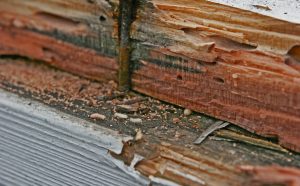
Termites are hard to catch early. By the time you spot mud tubes, hollow-sounding timber or a damaged door frame, the colony may have spread well past what you can see. They affect HDB flats, condos, landed homes and commercial buildings alike, usually going for wooden flooring, skirting boards, door frames and built-in wardrobes.
How Much Does Termite Treatment Cost in Singapore?
Use these ranges as a 2026 budgeting guide:
Treatment | Estimated cost (SGD) | Suitable for |
|---|---|---|
Inspection | Free to $200 | Finding termite activity and affected areas. Often credited if you go ahead with treatment |
Localised spot treatment | $150 – $400 per area | Small, contained infestations |
Corrective treatment (drilling and injection) | HDB: about $600 – $1,800<br>Condo: about $1,200 – $2,800<br>Landed: about $2,500 – $5,500+ | Wider infestations in homes without existing termite protection |
Termite baiting programme | $700 – $3,000+ | Monitoring and eliminating subterranean termite colonies |
Soil treatment | $1,000 – $4,500+ | Treating soil around landed homes to block subterranean termites |
These are indicative market ranges, not fixed Ninja Pest prices. Your quote may fall outside them depending on the inspection, property conditions and treatment needed. Replacing timber, carpentry and repainting are usually charged separately.
What Affects the Cost of Termite Treatment?
Two homes of the same size can get very different quotes. It comes down to the termites, the materials they’re in and how easy they are to reach.
1. Type of Termite
Subterranean termites | Drywood termites | |
|---|---|---|
Where the colony lives | Underground | Inside the timber they’re eating |
How they get in | Through soil, cracks and hidden structural gaps | No soil contact needed |
Telltale sign | Mud tubes between the colony and their food | Damage inside furniture, wooden frames and other timber |
Getting the species right matters. A treatment built for subterranean termites may not work on a drywood infestation.
2. How Bad the Infestation Is
Termites in one door frame may only need a targeted treatment. If they’ve spread through several rooms, skirting boards or built-in furniture, you’ll need a wider treatment plan.
The longer termites go unnoticed, the more surrounding timber they damage. An early inspection keeps the treatment area, and your repair bill, smaller.
3. Your Property Size and Type
Size matters most when the job involves soil barriers or several bait stations.
- HDB flats: usually focused on affected door frames, skirting boards, flooring or built-in cabinets
- Condos: may cover several rooms, hidden timber fixtures or areas near common building structures
- Landed homes: larger ground areas, gardens, foundations and outdoor timber mean more inspection and treatment work, so budget higher
4. Treatment Method
Spot treatment, corrective treatment, baiting and soil treatment each use different materials, labour and follow-up. A targeted treatment can handle a localised problem. An established subterranean colony needs a fuller control programme.
5. Warranty and Follow-Up Visits
Some packages include scheduled inspections, monitoring and retreatment within a warranty period. A longer warranty usually raises the upfront price but gives you more cover if termites persist.
Before you agree to a treatment, check:
- How long the warranty lasts
- Whether follow-up inspections are included
- Whether retreatment is covered
- Which areas and types of termite activity are covered
- What could void the warranty
Compare quotes on the full scope and ongoing support, not the upfront price alone.
What Are the Main Termite Treatment Methods?
The right method depends on the termite species, where they are and how far they’ve spread.
Method | Estimated cost (SGD) | Best for | Main limitation |
|---|---|---|---|
Spot treatment | $150 – $400 per area | One door frame, skirting board or fixture | May not reach an underground colony |
Corrective treatment | About $600 – $5,500+ | Wider infestations in existing buildings | Involves drilling |
Baiting system | $700 – $3,000+ | Subterranean colonies you can’t reach directly | Takes weeks to months |
Soil treatment | $1,000 – $4,500+ | Landed homes with termites coming from surrounding soil | Cost rises with perimeter size and access |
Localised Spot Treatment
Spot treatment is for termite activity limited to one area, such as a door frame, skirting board or single timber fixture. The technician applies a suitable termiticide, dust or foam to the affected spot, depending on the infestation.
It’s cheaper because the treatment area is small. The catch: if subterranean termites are coming from underground, treating the visible damage won’t wipe out the colony.
Corrective Treatment
Corrective treatment involves drilling into floors or walls at affected areas and injecting termiticide to create a protective barrier.
It’s used in existing HDB flats, condos and older landed homes, and costs more on larger properties because there’s more area to drill and treat.
Termite Baiting System
Bait stations go in where termite activity is found or suspected. Worker termites eat the bait and carry it back to the colony, where it disrupts their development and gradually wipes out the colony.
- Needs ongoing monitoring
- Can take several weeks or months, depending on colony size and feeding
- Especially useful for subterranean termites when the colony can’t be reached directly
- Cost depends on the number of stations, how often they’re checked and how long the programme runs
Soil Treatment
A termiticide is applied to the soil around or under the building to create a treated zone that stops subterranean termites getting in. It’s mostly used for landed homes where termites are coming from the surrounding soil or perimeter.
The work may involve drilling, injection and application along reachable foundation areas. Cost goes up with property size, perimeter length, access and the amount of work. Soil treatment can’t replace every other method. The right approach depends on where the termites are coming from and how far they’ve spread.
What Are the Signs You Need Termite Treatment?
Termites stay hidden, so watch for these:
Sign | What to look for |
|---|---|
Mud tubes | Narrow tunnels along walls, foundations, door frames and other surfaces, built by subterranean termites to travel between the colony and their food |
Hollow-sounding wood | Gently tap door frames, skirting boards and furniture. A hollow sound can mean termites have eaten the inside |
Discarded wings | Small piles of wings near windows, doors and lights, shed by flying termites (swarmers) after finding a new nesting spot |
Blistering or damaged timber | Blistered, uneven or cracked paint, or wood that’s weak, brittle or visibly damaged |
If you spot these, leave the area alone. Don’t spray household insecticide on active mud tubes, since it can make proper inspection and treatment harder.
How Do You Reduce the Risk of Termites?
Treatment deals with termites already there. These steps help you catch future problems early:
- Fix water leaks quickly. Damp timber is more vulnerable to termites.
- Keep wood dry. Don’t leave timber, cardboard or other wood-based materials in damp areas.
- Clear timber debris. Don’t let untreated wood or old furniture pile up around your home.
- Check wooden fixtures regularly. Focus on door frames, skirting boards, flooring and built-in cabinets.
- Check outdoor areas. Look around garden beds, timber structures and near the foundation.
- Book periodic inspections if your home has had termites before.
None of these guarantee termites will stay away, but they help you spot trouble sooner.
Should You Treat Termites Yourself or Call a Professional?
The termites you can see are usually a small part of a much bigger colony, which is why DIY sprays rarely solve an established infestation.
DIY treatment | Professional treatment | |
|---|---|---|
Upfront cost | Lower | Higher |
Inspection | Limited to visible signs | Thorough assessment |
Treatment scope | Usually localised | Matched to the infestation and species |
Colony control | Hard to achieve reliably | Can include baiting and other colony-control methods |
Follow-up | Up to you | May include monitoring and scheduled visits |
Warranty | Usually none | Depends on the service package |
DIY can help with basic prevention. If termites are in structural timber or across several areas of your home, get a professional inspection. It’s also worth confirming the company is on the NEA’s list of registered vector control operators, since only registered operators can carry out pest control for hire in Singapore.
Get Termite Treatment From Ninja Pest
Ninja Pest’s NEA-licensed technicians check for termite activity, map out the affected areas and recommend the treatment that suits your property.
Seeing mud tubes, discarded wings or damaged wooden fixtures? Call Ninja Pest at 9342 7270 to arrange a termite inspection and get a quote for your home.
Frequently Asked Questions
How much does termite treatment cost for an HDB flat in Singapore?
A localised spot treatment typically costs about $150 to $400. If termites have spread further, corrective treatment for an HDB flat usually runs about $600 to $1,800, and a baiting programme can cost more. The exact price depends on the affected areas and treatment method.
How much does termite treatment cost for a landed property?
Landed homes usually need a bigger treatment scope, especially when subterranean termites come in through the surrounding soil. Soil treatment typically costs about $1,000 to $4,500 or more, and corrective treatment for widespread activity can go past $5,500, depending on the perimeter and the work needed.
Is termite baiting more expensive than spot treatment?
Yes, usually. Spot treatment covers one affected area, while baiting means installing and monitoring stations over time. Baiting is often the better choice when you need to control the whole subterranean colony, not just the termites you can see.
How long does termite treatment take?
Spot treatment can often be done in one visit. Baiting programmes need ongoing monitoring and can take several weeks or months to work.
Can termites come back after treatment?
Yes. They can return if the original colony wasn’t fully eliminated, a new colony moves in, or the conditions that let them in are still there. Follow-up inspections and prevention help catch new activity early.
Does termite treatment include repairing damaged wood?
Not always. Pest control deals with the infestation. Replacing damaged door frames, skirting boards, flooring and other timber usually needs separate carpentry or renovation work. Confirm what’s included before accepting a quote. For HDB flats, owners are responsible for repairing fittings and fixtures inside the flat, as set out in HDB’s Home Care Guide.
Should I treat termites before renovating?
Yes, if you suspect or have confirmed termites. Treating them before you put in new flooring, cabinets or timber fixtures stops fresh materials from being exposed to an active colony.