Quick answer: Booklice treatment for a Singapore home typically costs about $100 to $350, depending on how many areas are affected, how bad the infestation is and what treatment is needed. A small problem in one room sits at the lower end. Infestations across several rooms, repeat visits or mould removal push the cost above $350. The treatment that lasts deals with both the booklice and the damp and mould they feed on.
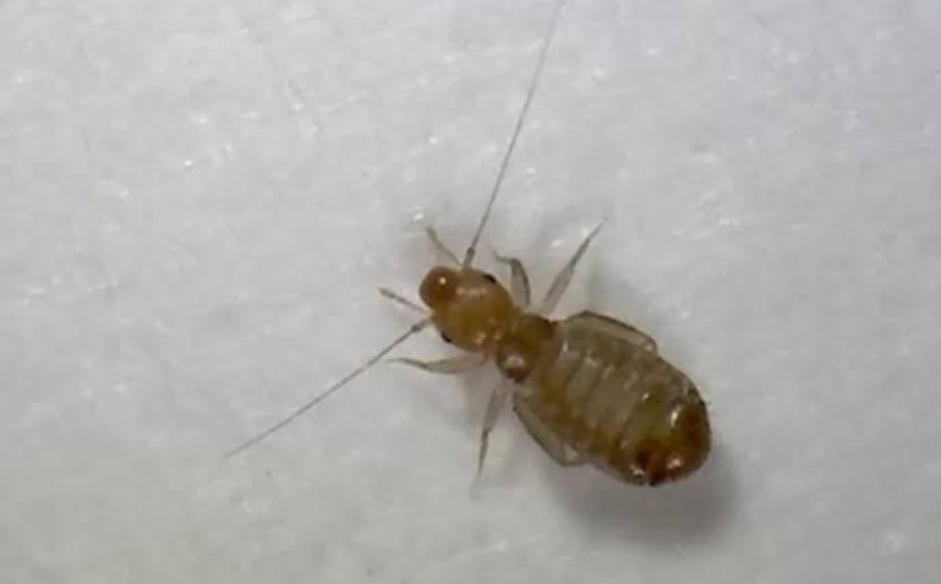
Booklice are harmless to people, but seeing them on your walls, bookshelves or ceilings usually means there’s excess moisture or mould somewhere in the home. Spraying the insects you can see gives short-term relief. If the damp stays, they come back.
How Much Does Booklice Treatment Cost in Singapore?
Prices vary between pest control companies. Use these ranges as a 2026 budgeting guide for residential properties:
Treatment scope | Estimated cost (SGD) |
|---|---|
Minor infestation in one area (e.g. one bookshelf or room) | $100 – $200 |
Moderate infestation across several areas | $200 – $350 |
Extensive or recurring infestation | $350 and above |
Mould removal (often a separate service) | Around $300 – $800 |
Follow-up treatment | Depends on the treatment scope |
These are indicative market ranges, not fixed Ninja Pest prices or guaranteed quotes. Your actual cost is confirmed after the property and infestation are assessed.
Commercial premises such as offices, shops and warehouses usually cost more because of the larger area and operational requirements.
What Affects the Cost of Booklice Treatment?
Five things decide your final quote.
1. How Big the Affected Area Is
The more rooms and spaces involved, the more inspection time, preparation and product the job needs.
- Lower cost: booklice confined to one bookshelf or bedroom
- Higher cost: booklice across several rooms, ceilings, cupboards and storage areas
2. How Bad the Infestation Is
The number of booklice you can see doesn’t always show the full problem. They’re tiny and hide in cracks, furniture joints, cupboards and undisturbed corners.
- Minor infestation: usually handled with targeted treatment
- Established infestation: needs a wider treatment scope and monitoring to confirm activity has dropped
3. Whether There’s Mould or Damp
This is the biggest factor with booklice. They feed on mould and fungi, which grow in damp, poorly ventilated spaces. If the moisture stays, so do the conditions booklice need, even after treatment.
Depending on your home, extra work may be needed for:
- Visible mould on walls, ceilings or furniture
- Water leaks and persistent damp
- Poor ventilation in enclosed rooms
- Condensation around windows or air-conditioning units
- Moisture trapped behind wardrobes and cabinets
Mould remediation, leak repairs and other building work are often separate from standard pest control. If you need them, make sure they’re listed clearly in the quote.
4. Which Treatment Methods Are Needed
Method | What it does |
|---|---|
Targeted insecticide treatment | Applied to affected surfaces and hiding spots to control active booklice |
Residual treatment | Used on suitable surfaces to deal with remaining or newly emerging booklice |
Mould removal | Removes the food source where mould is driving the infestation |
Follow-up inspection | Checks whether activity has dropped and if more treatment is needed |
The right mix depends on your property, the affected materials and the size of the infestation. Not every home needs every method.
5. How Many Visits It Takes
Some infestations clear up after one treatment. Others need follow-up visits, especially if booklice keep appearing or the affected area is large. Agree on the number of visits and any extra charges before treatment starts, and check whether follow-ups are included when comparing quotes.
Why Can Booklice Treatment Cost More Than Expected?
Booklice are tied to your home’s conditions in a way that ants and cockroaches aren’t. Killing the visible insects is often only half the job.
For example, you might call about booklice on a bedroom wall. During the inspection, the technician finds mould behind the wardrobe caused by poor ventilation. Treating only the wall won’t last, because the mould behind the wardrobe keeps feeding new booklice. Fixing that adds to the scope and the cost.
This is why an inspection comes first. It shows every affected area and whether extra work is needed before a treatment plan is set.
What Should a Professional Booklice Treatment Include?
A good quote explains what you’re getting, not just the price. Expect these four parts:
Stage | What happens |
|---|---|
Property inspection | The technician checks where booklice appear and likely hiding spots (walls, cupboards, bookshelves, stored items), plus signs of mould, damp or poor ventilation |
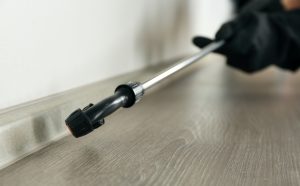
Targeted treatment | Suitable insecticides are applied to affected areas based on the inspection. You should be told about preparation, safety precautions and when you can re-enter |
Moisture control advice | Practical steps to reduce damp, such as better airflow, a dehumidifier, fixing leaks and not storing damp cardboard or paper |
Follow-up and monitoring | A return visit, if included, to check activity has dropped |
Before you book, ask whether the quote covers follow-ups, extra treatments and a warranty, and read the terms. It’s also worth checking the company is on the NEA’s list of registered vector control operators, since only registered operators can carry out pest control for hire in Singapore.
How Do You Stop Booklice Coming Back?
Treatment clears the current infestation. Keeping your home dry stops the next one.
- Control indoor humidity. Damp air feeds mould, and mould feeds booklice. Run a dehumidifier in rooms that stay damp, especially bedrooms, storerooms and enclosed spaces.
- Improve ventilation. Open windows when the weather allows, use fans or exhausts, and don’t push large furniture right up against damp walls.
- Remove mould quickly. Check walls, ceilings, shelves and furniture. Fix the moisture source, then clean the surface properly. Get a professional assessment for widespread or recurring mould.
- Keep stored items dry. Books, documents and cardboard boxes attract booklice in humid storage. Keep them in dry, ventilated spaces and never pack away anything damp.
- Check for water leaks. Look around windows, air-conditioning units, bathrooms and pipes. Fixing leaks is key to long-term prevention.
Should You Treat Booklice Yourself or Call a Professional?
DIY can work for a handful of booklice when you already know where the damp is coming from and can fix it. For booklice in several rooms, or ones that keep returning, get a professional assessment.
DIY treatment | Professional treatment | |
|---|---|---|
Upfront cost | Lower | Higher |
Inspection | You check the areas you can see | Technician assesses all affected areas |
Treatment | Cleaning and household products | Targeted pest control methods |
Hidden infestations | Hard to find | More thorough inspection |
Moisture problems | You investigate and fix them | Identified, with recommendations |
Follow-up | Up to you | Depends on the service package |
Get a Booklice Assessment From Ninja Pest
Ninja Pest’s booklice treatment starts with an inspection of your home to find the infestation and what’s causing it. The process covers targeted treatment, protecting affected areas against repeat activity, and monitoring with follow-up support.
Eligible treatments come with a warranty of four months or longer, subject to terms and conditions.
Seeing tiny insects on your walls, cupboards or bookshelves? Call Ninja Pest at 9342 7270 for an inspection and a quote based on your home.
Frequently Asked Questions
How much does booklice treatment cost in Singapore in 2026?
Residential booklice treatment typically costs about $100 to $350, depending on the affected area, how severe the infestation is and the treatment needed. Larger homes, recurring infestations, and mould removal can push the cost higher and usually need a custom quote.
Can one spray get rid of booklice?
A spray reduces the booklice you can see, but they’re likely to return if the mould and damp remain. Lasting results come from combining treatment with moisture control and follow-up.
Does booklice treatment include mould removal?
Not always. Pest control and mould remediation are often separate services. Ask whether mould inspection, removal and moisture-related work are included in your quote.
How long does booklice treatment take?
It depends on the size of the affected area, how bad the infestation is and the method used. A small, single-area job is quicker than one covering several rooms or including mould work. Your provider should tell you the expected duration before starting.
Do booklice go away on their own?
They can die off once the area becomes dry. If mould and damp remain, they’ll keep surviving and breeding, so fixing those conditions is what stops them coming back.
Are booklice harmful to humans?
No. Booklice don’t bite or feed on blood. In large numbers they’re a nuisance and can damage books and paper, and they’re a sign of excess moisture or mould in your home.
Does Ninja Pest give a warranty for booklice treatment?
Yes. Eligible booklice treatments come with a warranty of four months or longer, subject to terms and conditions. Contact Ninja Pest to confirm the coverage, follow-up arrangements and requirements for your treatment.