Did you know that the pests you see are often just a fraction of a larger, hidden colony?
Many Singapore homeowners panic when they spot a cockroach or an ant trail. But in professional pest control, these are often just “worker scouts” from a concealed nest. The real danger might be hiding in false ceilings, wall voids, kitchen cabinets, or even under your flooring.
This is why DIY sprays often fail. Killing visible pests provides only temporary relief, as the colony continues to breed out of sight. In Singapore’s warm, humid climate, hidden infestations can expand rapidly if the source isn’t found.
Today, we’ll explain how professional pest control technicians systematically locate hidden nests in various properties. You’ll learn about pest hiding behaviours, the advanced inspection methods used, and why finding the source is key to long-term eradication.
Key Takeaways
- Seeing a few pests usually indicates a much larger hidden colony nearby.
- Professional pest control focuses on locating the nest, not just killing visible insects.
- Different pests hide in very different environments, from wall voids to ceiling cavities.
- Heat, moisture, food sources, and darkness are the biggest factors that attract nesting activity.
- DIY sprays often scatter pests deeper into hiding, rather than solving the infestation.
- Professional inspections use behavioural tracking, environmental clues, and specialised equipment to accurately locate hidden nests.
Why Hidden Nests Are the Real Problem
Most pests are survival experts. They instinctively avoid light, noise, vibrations, and human activity. That means the areas you clean most often are usually not where the infestation actually lives.
For example:
- Cockroaches prefer dark, humid voids behind kitchen cabinets or under appliances.
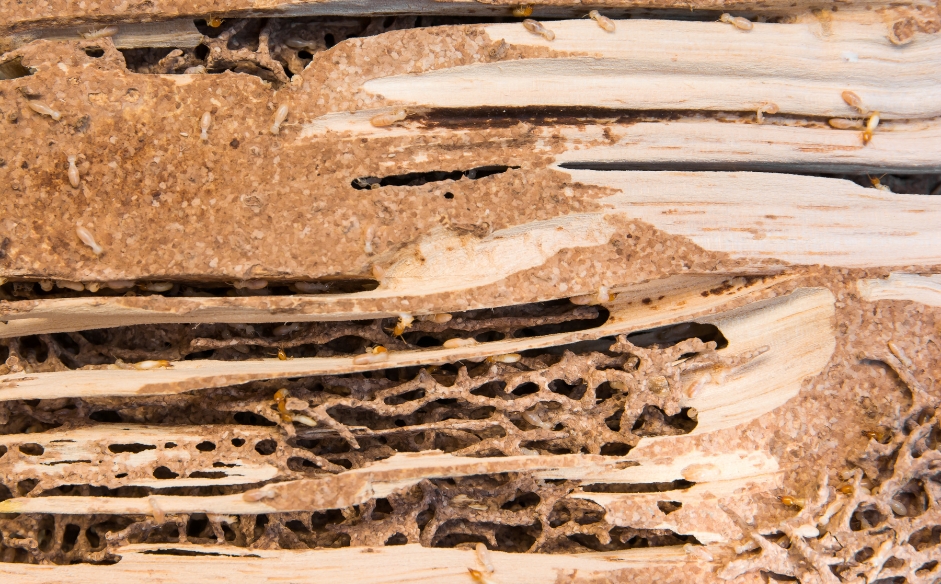
- Termites build colonies inside wooden structures or concealed wall cavities.
- Ants often nest inside electrical conduits, hollow walls, or under flooring.
- Bed bugs hide deep inside mattress seams, bed frames, headboards, and sofa joints.
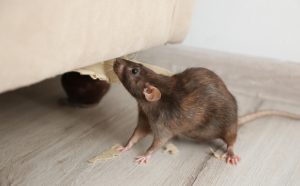
- Rodents nest above false ceilings, inside storerooms, or beneath raised flooring systems.
By the time pests become visible during the day, the infestation is often already established.
This is especially common in Singapore homes, where compact layouts, concealed carpentry, and humid weather create ideal nesting conditions year-round.
The Professional Inspection Process
Professional pest control technicians do far more than simply “spray chemicals.”
The real expertise lies in understanding pest behaviour and identifying where colonies are hiding.
Step 1: Studying Pest Behaviour Patterns
Different pests move differently.
Experienced technicians first study:
- Movement patterns
- Feeding behaviour
- Moisture sources
- Entry points
- Nesting preferences
- Active hours
For example, ants rarely travel randomly. Worker ants follow invisible pheromone trails back to the colony. By carefully observing the direction and concentration of movement, technicians can trace the infestation back to the hidden nest.
Cockroaches behave differently. They prefer warm, humid areas close to water sources. This is why infestations are commonly found near:
- Kitchen sinks
- Dishwasher compartments
- Refrigerator compressors
- Toilet piping
- Floor traps
Understanding these behavioural clues dramatically narrows down where the hidden colony is located.
Step 2: Identifying Heat and Moisture Zones
Moisture is one of the strongest pest attractors in Singapore.
Professional inspections often focus heavily on:
- Leaking pipes
- Condensation areas
- Poor ventilation zones
- Water-damaged wood
- Humid storage areas
Termites, for instance, are highly dependent on moisture. Even a small concealed pipe leak inside a wall can sustain an active colony for years.
Rodents also prefer warm nesting zones with nearby food and water access. False ceilings above kitchens are extremely common nesting areas because they provide:
- Warmth
- Darkness
- Shelter
- Nearby food sources
Technicians systematically inspect these environmental conditions to locate hidden activity.
Step 3: Looking for Secondary Evidence
Many pests remain hidden even during inspections. Instead of searching only for live insects, professionals also look for indirect evidence.
This includes:
- Droppings
- Shed skins
- Grease marks
- Nesting debris
- Egg casings
- Mud tubes
- Chewed materials
- Unusual odours
For example, bed bug infestations often reveal themselves through:
- Tiny black faecal spots
- Rust-coloured blood smears
- Shed exoskeletons
- Sweet, musty odours near the bed
Meanwhile, termite infestations commonly leave behind hollow-sounding wood, blistered paint, or mud tunnels along walls.
These subtle signs often expose infestations long before the colony itself becomes visible.
Common Hidden Nest Locations in Singapore Homes
Behind Built-In Carpentry
Custom carpentry creates numerous enclosed voids that pests love.
Common nesting spots include:
- Kitchen cabinets
- Wardrobes
- TV consoles
- Platform beds
- Shoe cabinets
Warmth, darkness, and trapped moisture make these areas highly attractive for cockroaches and ants.
False Ceilings
False ceilings are one of the most overlooked pest hotspots.
They provide:
- Darkness
- Warmth
- Minimal disturbance
- Easy movement between rooms
Rodents, termites, ants, and cockroaches commonly travel through ceiling voids undetected for months.
In severe infestations, technicians may even hear scratching sounds or movement during inspections.
Electrical Trunking and Wall Voids
Many Singapore apartments contain concealed wiring conduits running throughout the home.
Ants and cockroaches frequently use these pathways like hidden highways.
This allows infestations to spread between rooms or even neighbouring units in HDB blocks and condominiums.
This is one reason why isolated DIY treatment often fails.
The visible pests may disappear temporarily, while the hidden colony survives elsewhere inside the building structure.
Under Flooring and Raised Platforms
Raised flooring systems create protected nesting environments that are difficult to inspect visually.
This is particularly common in:
- Platform storage beds
- Raised office flooring
- Timber flooring systems
- Tatami-style storage platforms
Rodents and termites often exploit these concealed spaces because they provide safety from disturbance.
Why DIY Pest Control Often Makes Things Worse
Most homeowners naturally focus on the pests they can see.
The problem is that consumer sprays usually:
- Kill only exposed insects
- Fail to reach eggs
- Miss hidden colonies
- Cause pests to relocate deeper into hiding
Cockroaches are particularly notorious for this behaviour. After exposure to repellent sprays, they often scatter into neighbouring rooms, wall voids, or adjacent units.
This creates the illusion that the infestation improved initially, before returning weeks later.
Professional pest control focuses on elimination at the source, rather than surface-level suppression.
Advanced Tools Used by Professional Technicians
Modern pest control involves far more than basic spraying equipment.
Depending on the infestation, technicians may use:
- Thermal imaging cameras
- Moisture meters
- UV inspection lights
- Monitoring bait stations
- Boroscopes for wall cavity inspections
- Specialised flushing agents
- Non-repellent treatment systems
These tools help identify pest activity hidden behind walls or inside inaccessible spaces, without unnecessary hacking or dismantling.
For termites especially, early detection tools can prevent thousands of dollars in structural damage.
Final Thoughts
Pests rarely live where you first spot them.
The cockroach running across your kitchen floor or the ants near your sink are usually only symptoms of a much larger hidden problem nearby. Without locating the actual nest, infestations often return repeatedly, no matter how many sprays or traps are used.
Professional pest control technicians rely on behavioural analysis, environmental inspection, and specialised equipment to locate colonies hidden deep inside walls, ceilings, flooring systems, and concealed voids.
That’s the difference between temporary relief and true eradication.
At Ninja Pest, we focus on both the seen and unseen parts of every infestation to ensure long-term protection for your home or business.
The Ninja Pest Difference
At Ninja Pest Control, we believe effective pest control starts with accurate diagnosis.
Instead of focusing only on visible insects, our technicians identify:
- Where pests are nesting
- Why they are surviving
- How they are entering
- What conditions are supporting the infestation
This “seen and unseen” approach allows us to eliminate infestations more effectively, while reducing recurrence.
Our NEA-licensed team uses:
- Eco-friendly treatment methods
- Targeted eradication strategies
- Long-term prevention planning
- Safe solutions for families and pets
Whether the infestation is inside a compact HDB flat or a large commercial property, the principle remains the same: Find the nest. Eliminate the source. Prevent reinfestation.
Frequently Asked Questions
How do pest control technicians find hidden nests?
Technicians use a combination of behavioural tracking, environmental analysis, moisture detection, and physical evidence like droppings or nesting materials to identify where pests are hiding.
Can pests live inside walls?
Yes. Many pests, including ants, termites, rodents, and cockroaches, commonly nest inside wall cavities, electrical conduits, and concealed voids.
Why do pests keep returning after DIY sprays?
DIY sprays often kill only visible insects while the hidden colony survives. Some sprays may also cause pests to scatter deeper into hiding.
What is the hardest pest nest to locate?
Termite colonies are among the hardest to detect because they often remain hidden deep inside wood structures or underground for long periods.
Can pest infestations spread between HDB units?
Yes. Pests frequently travel through shared conduits, ceiling spaces, piping systems, and wall voids between neighbouring units.
Are hidden nests dangerous?
Yes. Hidden infestations can lead to food contamination, property damage, electrical hazards, and rapid colony expansion if left untreated.
How long does a professional pest inspection take?
Most residential inspections take between 30 minutes to 2 hours, depending on the size of the property and severity of the infestation.
When should I call professional pest control?
You should contact professionals once pests become recurring, widespread, or difficult to eliminate with basic cleaning and preventive measures.