Home renovations can breathe new life into your space — fresh paint, new flooring, and updated fittings often make a home feel brand-new. But amid all the noise and dust, an invisible problem could be taking root.
Renovation dust doesn’t just make cleaning difficult — it can also mask early signs of pest activity. From termites to cockroaches, many pests take advantage of the chaos and debris to nest, hide, and spread unnoticed.
The Hidden Risks of Renovation Dust
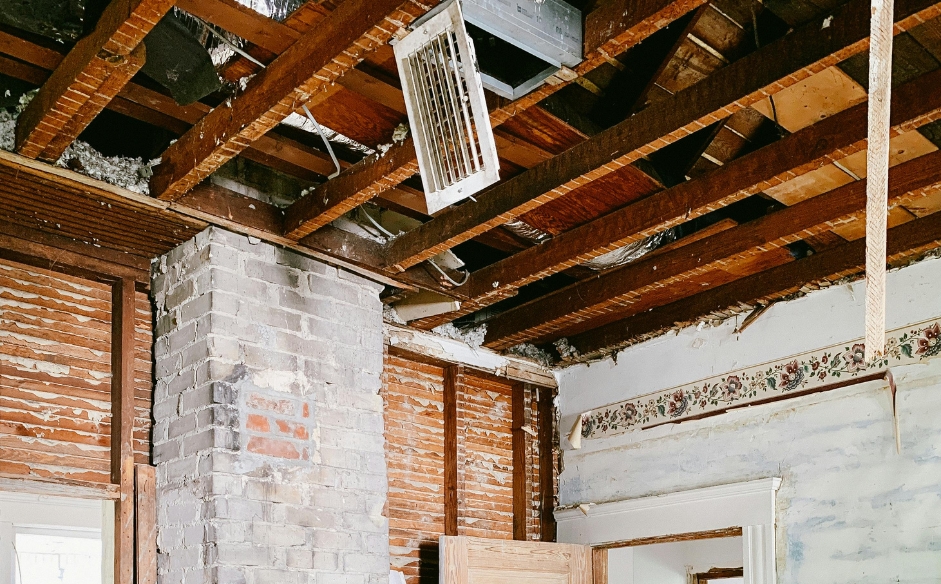
During renovation, walls are opened, floors are pulled up, and dust spreads everywhere. While this is a normal part of the process, it also creates the perfect cover for pests to thrive.
1) Dust Conceals Telltale Signs
Fine dust particles settle over everything — including pest droppings, shed wings, and bore dust from termites. What would normally stand out as warning signs easily blend into the mess.
By the time the renovation is complete and the dust clears, you may already have an established pest problem hiding behind your newly painted walls.
2) Construction Creates Access Points
Renovation work often involves drilling, hacking, and moving fixtures. This can temporarily open up gaps in walls, floors, or ceilings — easy entryways for pests like ants, rodents, and cockroaches.
Without proper sealing and inspection, these access points remain long after the project ends.
3) Stored Materials Attract Pests
During construction, it’s common to store wooden panels, cardboard boxes, and packaging around the site. These materials attract pests like termites, silverfish, and roaches — all of which love cellulose-based materials and dark, undisturbed areas.
4) Changes in Moisture and Airflow
Renovations that involve plumbing or air-conditioning can temporarily alter humidity levels. Damp areas, leaking pipes, or stagnant water can draw in ants, mosquitoes, and even termites looking for moisture sources.
Common Pests That Exploit Renovation Dust
Knowing which pests are most active during or after renovation can help catch problems early.
Pest | Why They Appear During Renovation | What to Watch For |
|---|---|---|
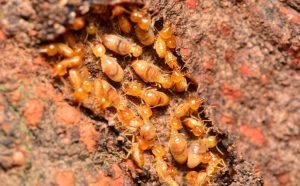
Termites | Disturbed soil and wood attract them; dust hides telltale mud trails. | Fine powdery dust near skirting boards, hollow-sounding wood, or discarded wings. |
Cockroaches | Thrive in warm, dusty corners and behind construction debris. | Musty smell, droppings, or sudden sightings at night. |
Ants | Seek out new entry points and water sources during construction. | Trails along walls or near temporary food storage. |
Rodents | Use open wall cavities and ceiling spaces for nesting. | Scratching sounds, gnawed packaging, droppings. |
Silverfish | Feed on cardboard, glue, and paper dust. | Fast, darting insects in dark corners or boxes. |
Why You Might Not Notice Until It’s Too Late
After renovation, many homeowners assume pests are part of leftover debris — not an infestation. Unfortunately, pests often establish themselves quietly behind walls or under floors.
Once the space is cleaned and furnished, these hidden colonies continue to grow unnoticed until visible damage or health risks appear.
Some reasons infestations go undetected:
- Dust and debris hide traces of activity.
- Furniture placement blocks visual access to entry points.
- Residual warmth and moisture encourage rapid pest reproduction.
- Post-renovation cleaning focuses on surfaces, not hidden areas.
By the time pests make themselves known, the infestation could already be extensive.
Preventive Steps Before and After Renovation
A few simple measures can make a big difference in preventing pest issues during and after your home improvement project.
Before Renovation
- Schedule a pest inspection before works begin. This helps identify and treat existing pest problems early.
- Seal cracks and crevices in walls, ceilings, and flooring to prevent future infestations.
- Use treated materials, especially for wood or cabinetry, to deter termites.
- Store materials off the floor and away from damp areas.
During Renovation
- Keep work areas tidy — remove sawdust, scrap wood, and packaging daily.
- Ensure proper ventilation to reduce humidity.
- Ask contractors to temporarily seal exposed drains and gaps while work is ongoing.
- Avoid leaving food or snacks around for workers — even crumbs attract pests.
After Renovation
- Conduct a deep clean — vacuum corners, vents, and floor traps thoroughly.
- Inspect plumbing, skirting boards, and ceiling corners for any pest signs.
- Schedule a post-renovation pest inspection to catch hidden infestations early.
- Maintain regular pest monitoring to ensure that pests haven’t settled in unseen spaces.
When to Call a Professional
If you notice droppings, small holes, or wood dust that keeps reappearing — even after cleaning — it may be time for a professional inspection.
DIY cleaning can only do so much; pests often hide deep within walls, ceiling voids, and electrical conduits where store-bought sprays can’t reach.
Professional pest control teams use detection tools and safe, targeted treatments to eliminate pests at their source — without damaging newly renovated materials or finishes.
How Ninja Pest Can Help
At Ninja Pest, we understand the unique pest risks that come with renovation projects. Our specialists conduct pre- and post-renovation inspections to identify hidden pest activity, seal off entry points, and apply safe, eco-friendly treatments tailored for Singapore homes.
Whether you’re renovating a resale flat or upgrading your condominium, our team ensures your new space remains clean, comfortable, and pest-free from day one.
Takeaway
Renovation dust might seem harmless, but it can easily hide early signs of pest activity — and those small signs can grow into costly infestations if ignored.
By combining good housekeeping with proactive pest inspections, you can protect your renovation investment and enjoy your refreshed home with peace of mind.
If you’ve recently renovated and suspect hidden pests, don’t wait for visible damage to appear. Contact Ninja Pest today to schedule a professional inspection and keep your home pest-free from the start.