Discovering termite damage is stressful enough. However, many homeowners are surprised when the situation appears worse after repair work begins.
Walls may need to be opened up. Wooden structures might look more damaged than expected. In some cases, sections of timber that seemed perfectly fine from the outside are removed entirely during the restoration process.
This often leads homeowners to wonder whether the damage has spread or if something went wrong during repairs.
In reality, termite damage frequently appears more severe after treatment, because repairs expose the hidden extent of the infestation. What was previously concealed behind walls, flooring, ceilings, or built-in furniture becomes visible for the first time.
Understanding why this happens can help homeowners make informed decisions and avoid unnecessary concern during the restoration process.
Most Termite Damage Is Hidden From View
One of the reasons termites are so destructive is their ability to remain undetected for long periods.
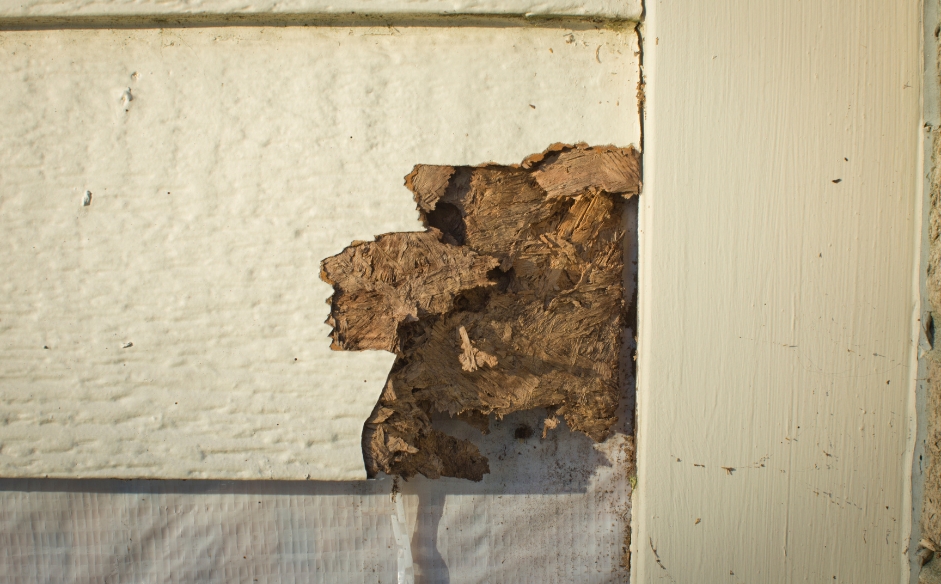
Unlike other pests that leave obvious signs of activity, termites often consume timber from the inside out.
The outer surface may remain intact, while the internal structure becomes significantly weakened.
As a result, homeowners may only notice subtle signs, such as:
- Hollow-sounding timber
- Bubbling paint
- Cracked wall surfaces
- Sagging floors
- Sticking doors or windows
By the time visible symptoms appear, termites may have already caused substantial internal damage.
Repairs Often Reveal the Full Extent of the Problem
Termite treatment and repair work involve more than simply replacing damaged timber.
Contractors often need to remove surrounding materials to assess the condition of affected structures.
This may include:
- Wall panels
- Skirting boards
- Ceiling sections
- Flooring materials
- Built-in cabinetry
Once these coverings are removed, previously hidden damage becomes visible.
What initially looked like a small affected area can sometimes reveal a much larger section requiring restoration.
This does not necessarily mean the infestation worsened after treatment. It simply means the true extent of the damage can now be properly assessed.
Structural Timber May Need to Be Removed
Many homeowners are surprised when repair contractors recommend replacing timber that still appears usable.
However, termite-damaged wood often loses much of its structural strength even if the surface remains intact.
In some situations, timber may:
- Crumble under pressure
- Show internal tunnelling
- Lose load-bearing capacity
- Become unsafe for long-term use
Removing and replacing compromised timber helps restore the structural integrity of the property.
While this can make the damage look more extensive during repairs, it is often necessary to ensure long-term safety.
Cosmetic Repairs Can Highlight Existing Damage
After termite treatment, damaged areas are often repaired, patched, or rebuilt.
Ironically, these improvements can make untouched damaged sections stand out more clearly.
For example:
- Fresh paint may reveal uneven wall surfaces
- New timber may contrast with older damaged wood
- Repaired flooring may expose adjacent weakened sections
This visual contrast can create the impression that the damage has increased, when, in reality, it is simply more noticeable.
Hidden Damage Is Common in Termite Infestations
Termites rarely limit themselves to a single visible area.
By the time homeowners discover an infestation, termites may have travelled through:
- Wall cavities
- Roof structures
- Door frames
- Window frames
- Built-in furniture
- Floor systems
During repairs, professionals often uncover secondary damage that was not visible during the initial inspection.
Finding additional affected areas does not necessarily indicate treatment failure. Instead, it reflects the complex and concealed nature of termite activity.
Repair Work Is Different From Termite Treatment
It’s important to understand that termite treatment and termite repairs serve different purposes.
Termite Treatment
The primary goal of termite treatment is to eliminate active termite colonies and prevent future infestations.
This may involve:
- Baiting systems
- Soil treatments
- Direct treatment applications
- Monitoring programs
Termite Repairs
Repairs focus on restoring damaged structures after termites have been eliminated.
This may involve:
- Timber replacement
- Structural reinforcement
- Cosmetic restoration
- Repainting and finishing work
Even after successful termite treatment, the physical damage caused by termites remains until repair work is completed.
Why Professional Assessments Matter
Because termite damage is often hidden, visual inspections alone may not reveal the full extent of the problem.
Professional termite specialists use various inspection techniques to identify affected areas before repairs begin.
These may include:
- Moisture detection tools
- Timber sounding
- Thermal imaging
- Detailed structural inspections
A thorough assessment helps homeowners understand the likely scope of repairs and reduces the risk of unexpected discoveries later in the restoration process.
How to Prevent Future Surprises
While no inspection can guarantee every hidden section will be identified immediately, regular termite inspections significantly reduce the likelihood of severe damage developing unnoticed.
Routine inspections can help:
- Detect termite activity earlier
- Identify moisture issues
- Monitor previous treatment zones
- Reduce repair costs
- Protect structural timber
Early detection remains one of the most effective ways to minimise long-term property damage.
Final Thoughts
Termite damage often appears worse after repairs, because restoration work exposes hidden structural issues that were previously concealed.
Walls, flooring, and timber elements may need to be opened up or removed to fully assess and repair the affected areas. While this can make the situation seem more serious, it is usually a necessary part of restoring the property’s safety and integrity.
Rather than indicating that termites have become more active, visible damage during repairs often reflects the true extent of an infestation that had been hidden for months or even years.
The key is to combine professional termite treatment with thorough repairs and ongoing inspections to ensure long-term protection for your home.
Protect Your Property with Professional Termite Solutions
At Ninja Pest, we help homeowners identify, treat, and prevent termite infestations before they lead to costly structural damage.
Our experienced team provides comprehensive termite inspections, targeted treatment solutions, and ongoing monitoring to help protect your property from future infestations.
Contact Ninja Pest today to schedule a professional termite inspection and gain peace of mind knowing your home is protected.