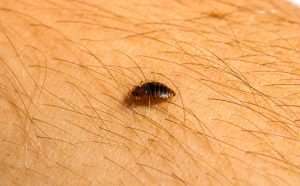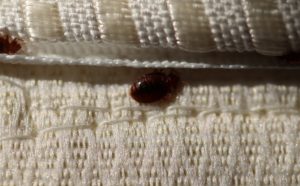
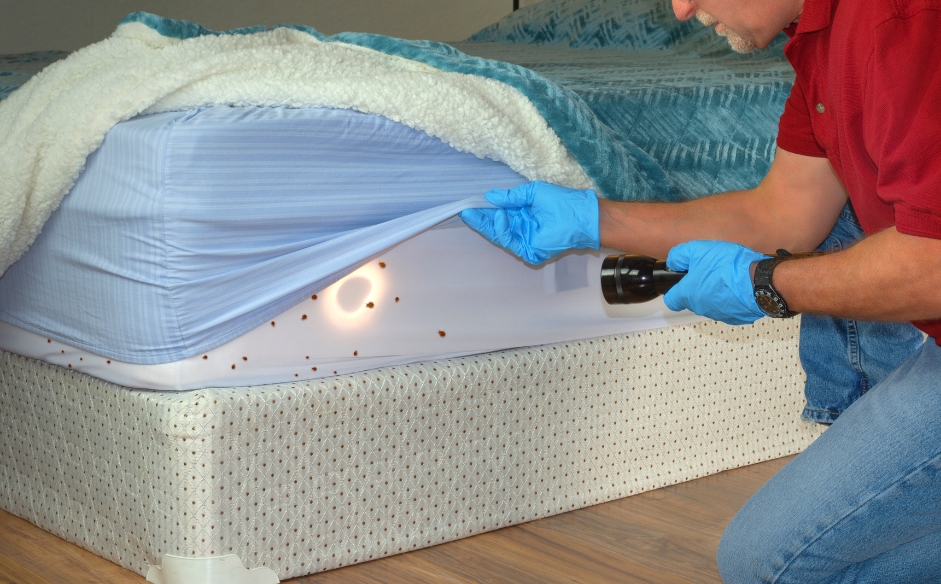
Bed bugs are persistent pests that can cause significant discomfort in homes, hotels, and other living spaces.
Known for their ability to hide in small crevices and reproduce quickly, these insects can be difficult to eliminate once an infestation occurs. One reason bed bugs remain a challenging pest worldwide is their ability to develop resistance to certain insecticides.
Over time, repeated exposure to the same types of chemicals can make bed bugs less susceptible to treatment. Understanding how resistance develops and why professional pest control methods are important can help property owners manage infestations more effectively.
What Is Insecticide Resistance?
Insecticide resistance occurs when a population of pests gradually becomes less affected by chemicals that were once effective in controlling them. This happens through a process of natural selection.
When insecticides are used repeatedly, some bed bugs may survive the treatment due to natural genetic variations. These survivors reproduce and pass on traits that make them less sensitive to the chemical. Over several generations, the population may become increasingly resistant.
As a result, treatments that were previously effective may no longer eliminate the infestation completely.
Why Bed Bugs Are Particularly Adaptable
Bed bugs are highly resilient pests, and several factors contribute to their ability to develop resistance.
Rapid Reproduction
A single female bed bug can lay hundreds of eggs during her lifetime. With such a high reproduction rate, new generations can appear quickly, allowing resistant traits to spread within the population.
Frequent Exposure to Insecticides
In many infestations, people attempt multiple rounds of chemical treatment using the same products. Repeated exposure to the same insecticides increases the likelihood that resistant bed bugs will survive and reproduce.
Hidden Living Areas
Bed bugs often hide in difficult-to-reach places such as mattress seams, bed frames, furniture joints, electrical outlets, and wall cracks. Because some bugs remain protected from treatment, they may survive and continue the infestation.
Types of Insecticides Bed Bugs May Resist
Over the years, researchers and pest control professionals have observed resistance to several commonly used insecticide classes.
Some examples include:
- Pyrethroids, which are commonly used in household insecticides
- Pyrethrins, natural compounds derived from chrysanthemum flowers
- Certain neonicotinoids, depending on the bed bug population
Resistance does not necessarily mean these chemicals never work, but it can reduce their effectiveness when used alone or improperly.
This is why modern pest control strategies often rely on integrated treatment methods rather than a single chemical approach.
Signs That Bed Bugs May Be Resistant
When bed bugs are resistant to certain insecticides, treatments may appear to work initially but fail to eliminate the infestation completely.
Some possible signs include:
- Bed bug activity continues after multiple treatments
- New bites appear despite using insecticide sprays
- Bed bugs are still visible in hiding spots after treatment
- Infestations return shortly after DIY treatment
These signs often indicate that the infestation requires a more comprehensive control strategy.
Why Professional Treatment Is More Effective
Professional pest control services typically use a combination of methods to overcome potential insecticide resistance.
Instead of relying on a single chemical, pest control specialists may apply integrated pest management techniques, which can include:
- Targeted insecticide applications using professional-grade formulations
- Heat treatments that eliminate bed bugs at all life stages
- Steam treatments for mattresses, furniture, and crevices
- Thorough inspections to locate hidden harbourage areas
- Follow-up monitoring to ensure the infestation is fully resolved
By combining different methods, pest control professionals can address resistant bed bug populations more effectively.
Preventing Bed Bug Infestations
Although bed bugs can be difficult to eliminate, certain precautions can help reduce the risk of bringing them into your home.
Consider the following preventive steps:
- Inspect hotel beds, mattresses, and furniture when travelling
- Avoid placing luggage directly on beds or floors
- Wash and dry clothing at high temperatures after travel
- Inspect second-hand furniture before bringing it indoors
- Regularly check mattresses and bed frames for early signs of activity
Early detection is important because smaller infestations are typically easier to control.
Takeaway
Bed bugs are highly adaptable pests that can develop resistance to certain insecticides over time. This resistance often occurs when the same chemicals are used repeatedly without eliminating the entire infestation.
Because bed bugs reproduce quickly and hide in hard-to-reach areas, effective control usually requires a combination of treatment methods and professional expertise.
Addressing infestations early and using integrated pest management strategies can greatly improve the chances of successful elimination.
Get Professional Help for Bed Bug Infestations
If you suspect a bed bug infestation in your home or workplace, prompt action is essential to prevent the problem from spreading.
At Ninja Pest Control, our trained specialists provide thorough inspections and effective bed bug treatment solutions tailored to your property. Using professional techniques and proven pest management strategies, we help eliminate infestations safely and efficiently.
Contact Ninja Pest Control today to schedule a professional inspection and restore peace of mind in your home.