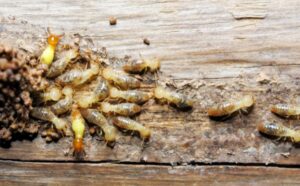
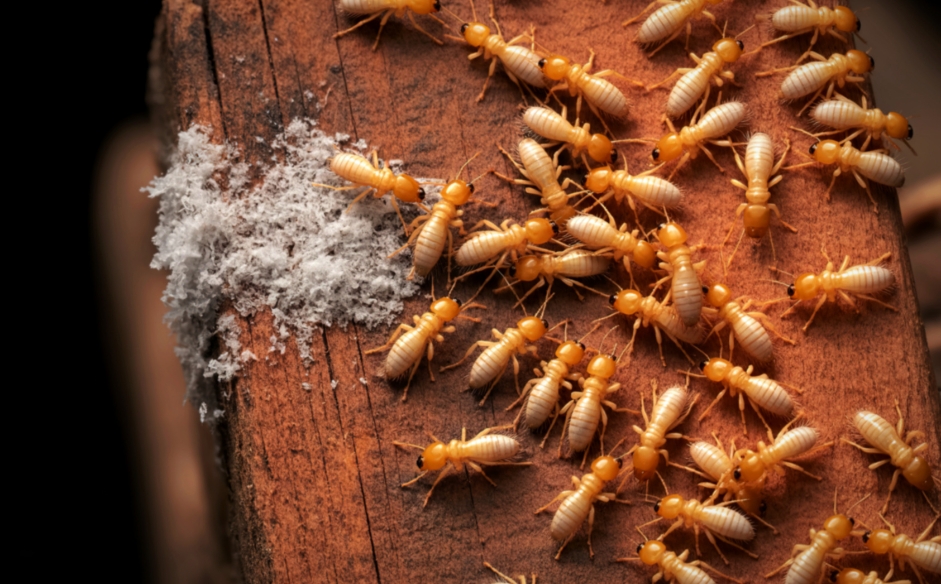
Termites are among the most destructive pests in Singapore, silently eating through wooden structures and causing costly damage before you even notice.
When planning a home renovation, choosing the right materials is essential to reduce termite risks and protect your investment.
At Ninja Pest Control, we help homeowners prevent termite infestations through effective pest management strategies and informed material choices. Today, we will explore which renovation materials resist termite damage and how you can combine them with preventive practices for long-lasting protection.
Why Material Choice Matters in Termite Prevention
Termites feed primarily on cellulose, which is found in wood, paper, and other plant-based materials.
They are particularly attracted to soft, untreated wood and damp conditions. By selecting materials that termites cannot easily consume or penetrate, you reduce the risk of infestation and minimise long-term repair costs.
Using termite-resistant materials from the start also adds a protective layer that complements chemical treatments and regular inspections. In short, your renovation materials themselves can act as a first line of defense against termite damage.
Top Renovation Materials That Resist Termite Damage
1. Hardwood and Naturally Resistant Wood
Not all wood is equally vulnerable to termites. Dense hardwoods contain natural oils and compounds that repel pests, making them more durable for high-risk areas. Popular termite-resistant hardwoods include:
- Teak: Dense, oily wood that naturally deters termites
- Merbau: Hard and durable, ideal for flooring and structural elements
- Balau: Resistant to both moisture and pest damage, commonly used in outdoor or ground-level applications
While hardwood is more expensive than softwood, its longevity and termite resistance make it a worthwhile investment for floors, furniture, and key structural components.
2. Engineered Wood Products
Engineered wood, such as plywood, laminated boards, and MDF, can be a practical alternative to natural wood if treated properly. Manufacturers often apply termite-repellent chemicals during production. These products are widely used for:
- Cabinets and wardrobes
- Wall paneling
- Decorative finishes
It’s important to ensure that engineered wood is treated and kept dry, as untreated materials remain vulnerable in humid conditions.
3. Metal and Stainless Steel
Metals like aluminium, steel, and stainless steel are completely impervious to termite damage. They are excellent for structural components and household fixtures where wood would otherwise be at risk. Benefits include:
- Long-term durability with minimal maintenance
- Use in furniture frames, staircases, and window frames
- Resistance to moisture and environmental wear
Incorporating metal elements in renovations reduces the number of potential termite entry points.
4. Concrete and Cement-Based Materials
Concrete and cement-based materials are naturally termite-proof and suitable for critical structural elements. Using reinforced concrete for walls, columns, and floors eliminates termite consumption and also prevents moisture accumulation when properly waterproofed. Advantages include:
- Structural strength and stability
- Long-lasting protection against pests
- Low maintenance and high resilience in humid climates
Concrete is especially effective when paired with good waterproofing, forming a barrier that termites cannot penetrate.
5. Composite and Synthetic Materials
Modern renovations often use composite or synthetic materials for areas exposed to humidity and pests. Options like PVC, uPVC, and fibre-reinforced plastics are highly resistant to termite damage and require little upkeep. Common applications include:
- Doors and window frames
- Decking and outdoor panels
- Decorative finishes
These materials are particularly suitable for areas prone to dampness or termite exposure.
Additional Tips to Reduce Termite Risk During Renovation
Even when using resistant materials, preventive measures remain crucial. To maximise protection, consider:
- Treat Wooden Components: Apply termite-repellent chemicals or borate treatments before installation.
- Control Moisture: Fix leaks and maintain proper drainage, as termites are attracted to damp environments.
- Maintain Safe Distances: Avoid direct contact between soil and wooden structures.
- Install Physical Barriers: Termite shields or mesh barriers can block entry during construction.
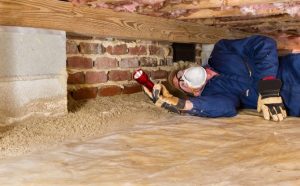
- Schedule Regular Inspections: Conduct periodic checks, especially in hidden areas like under floors, behind cabinets, and around utility lines.
By combining resistant materials with these proactive strategies, homeowners create a more effective defense against termites.
Takeaway
Choosing termite-resistant materials during home renovations is a proactive step toward protecting your property.
Hardwoods, treated engineered wood, metals, concrete, and synthetic materials all offer significant resistance to termite damage. Coupled with moisture control, chemical treatments, and regular inspections, these materials help ensure a long-lasting, termite-free home.
Protect Your Home with Ninja Pest Control
At Ninja Pest Control, we provide professional termite prevention and control services to safeguard your home during and after renovation. Our services include inspections, treatments, and ongoing monitoring to keep termites at bay.
Combining resistant materials with expert pest control ensures your home remains safe and durable for years to come. Contact us today to protect your renovation investment from termite damage.