Termites are among the most destructive household pests in Singapore, capable of causing costly structural damage long before homeowners realise there is a problem. While many people associate termite infestations with garden soil or wooden furniture, wet kitchens and utility yards are two of the most common hot spots.
These areas create the perfect environment for termites to thrive—offering moisture, warmth, hidden entry points, and an abundance of cellulose-rich materials. Understanding why termites are drawn to these spaces can help prevent serious damage and detect infestations early.
Why Wet Kitchens Attract Termites
Wet kitchens, common in Malaysian and Singaporean homes, are designed for heavy cooking, dish-washing, and food preparation. These activities create daily moisture, which is exactly what termites love.
1. High Moisture Levels
Moisture is the number one attractant for subterranean termites. Wet kitchens typically have:
- Frequent spills and splashes
- Damp flooring
- Steam from cooking
- Water leaking from pipes or sinks
Termites rely on moisture to survive, so any area that stays damp for long periods becomes a prime nesting and feeding zone.
2. Hidden Wooden Structures
Even though modern kitchens use materials like laminates and composite boards, they still contain wood or wood-based components:
- Cabinets
- Counter bases
- Wooden skirting
- Storage shelves
These materials contain cellulose, the primary food source for termites. Once moisture seeps into these structures, they become soft, easy to chew, and highly attractive.
3. Concealed Wiring and Plumbing Voids
Wet kitchens typically have hidden gaps behind:
- Built-in cabinets
- False ceilings
- Sink cabinets
- Drywall partitions
These narrow, dark, and humid spaces provide ideal tunnels for termites to travel undetected.
Why Utility Yards Are Termite Hotspots
Utility yards or service yards often combine laundry areas, cleaning supplies, and storage spaces—creating multiple termite-friendly conditions.
1. Leaky Water Pipes and Condensation
Washing machines, outdoor taps, and drainage pipes often cause:
- Slow leaks
- Condensation
- Damp floor corners
Termites are drawn to these wet conditions, which help them maintain their mud tubes and travel routes.
2. Cardboard and Storage Items
Utility yards frequently store:
- Cardboard boxes
- Old newspapers
- Cartons
- Wooden crates
- Laundry baskets
These cellulose-based materials are termite magnets. Cardboard, in particular, absorbs moisture easily, making it one of the first things termites attack.
3. Cracks and Building Gaps
Service yards often have structural gaps such as:
- Floor joint lines
- Wall cracks
- Pipe entry holes
- Spaces near drainage traps
Termites use these as entry points from the soil or wall voids, eventually spreading into the home.
4. Outdoors-to-Indoors Pathway
Utility yards may share walls with:
- Gardens
- Drains
- Soil beds
This makes it easier for subterranean termites to migrate from outdoor soil into indoor spaces.
How Termites Enter These Areas
Understanding how termites access wet kitchens and yards helps with prevention.
Common Access Routes
- Via underground soil into concrete cracks
- Through plumbing lines or drainage gaps
- By climbing walls or support beams
- Through mud tubes built behind cabinets
- From infested neighbouring units (in condos and flats)
Once inside, termites spread quickly—often without leaving obvious signs.
Signs of Termite Activity in Wet Kitchens and Utility Yards
Watch out for early red flags such as:
Moisture & Wood Damage
- Blistering laminate flooring
- Hollow-sounding cabinets
- Bubbling paint or swollen wooden panels
Visible Termite Indicators
- Mud tubes along walls or pipes
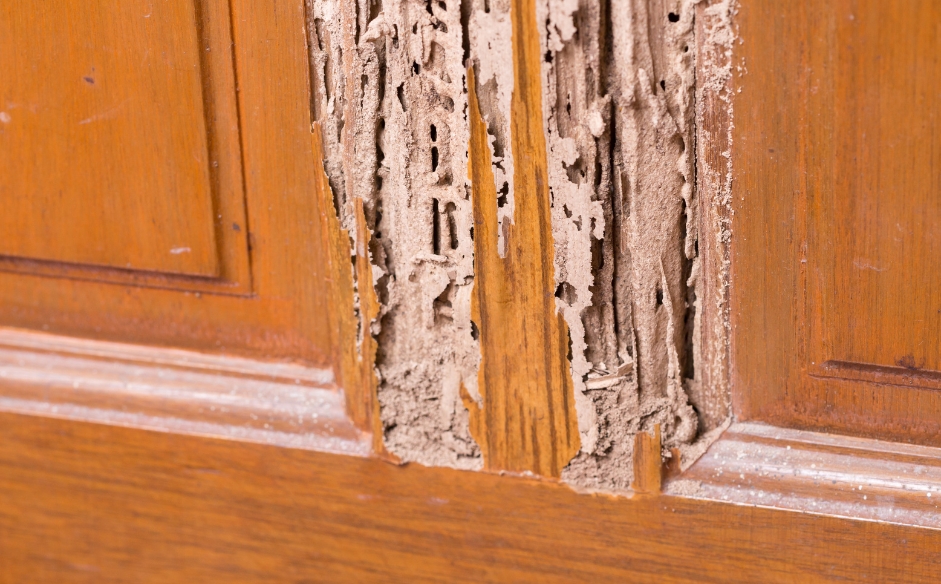
- Fine powdery frass (droppings)
- Discarded wings near light sources
- Tiny holes in wooden surfaces
Plumbing & Moisture Symptoms
- Persistent damp smells
- Water pooling in corners
- Wood that feels soft or crumbly
If you notice any of these signs, it’s crucial to act fast.
Why Termite Infestations Spread So Quickly
Wet kitchens and utility yards often connect to other parts of the home through:
- Shared plumbing lines
- Electrical conduits
- Cabinet backings
- Floor tiles and skirting boards
This allows termites to expand aggressively from one hotspot to the entire house—sometimes within weeks.
How to Prevent Termites in Wet Kitchens & Utility Yards
1. Fix All Leaks Promptly
Repair dripping pipes, faulty taps, and loose sink fittings.
2. Improve Ventilation
Use:
- Exhaust fans
- Dehumidifiers
- Open windows where possible
Dry environments discourage termites.
3. Avoid Storing Cardboard
Use plastic or metal containers instead of absorbent cardboard boxes.
4. Seal Cracks and Entry Points
Close gaps around:
- Pipe penetrations
- Wall joints
- Tile edges
5. Keep Areas Clean and Dry
Wipe spills immediately and avoid letting wet laundry drip onto floors for long periods.
6. Schedule Professional Termite Inspections
Termites can stay hidden for months. Regular inspections help detect early infestations before major structural damage occurs.
Why Professional Treatment Is Essential
DIY sprays may kill visible termites, but they do not eliminate the colony. Subterranean termite nests can contain tens of thousands of workers hidden deep underground or within wall cavities.
Ninja Pest Control provides:
- Detailed site inspections
- Targeted chemical barrier treatments
- Soil treatment solutions
- Baiting systems to eliminate colonies
- Monitoring to prevent reinfestation
- Safe, effective, and long-term termite control
Our specialists understand how termites behave in Singapore’s humid conditions—and how to stop them at the root.
Takeaway
Wet kitchens and utility yards attract termites because of their moisture, hidden gaps, cellulose-based materials, and warm environment. These spaces create the perfect breeding ground for infestations, which can quickly spread into other parts of the home.
By addressing moisture issues, improving ventilation, sealing access points, and engaging professional termite specialists, homeowners can protect their property from costly structural damage.
For reliable and comprehensive termite control, Ninja Pest Control offers expert inspection and long-term solutions tailored to Singapore homes.