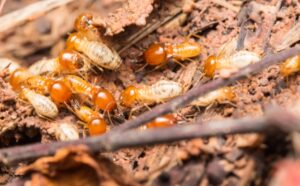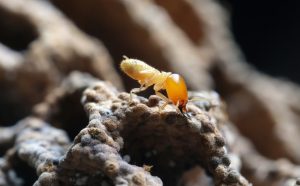
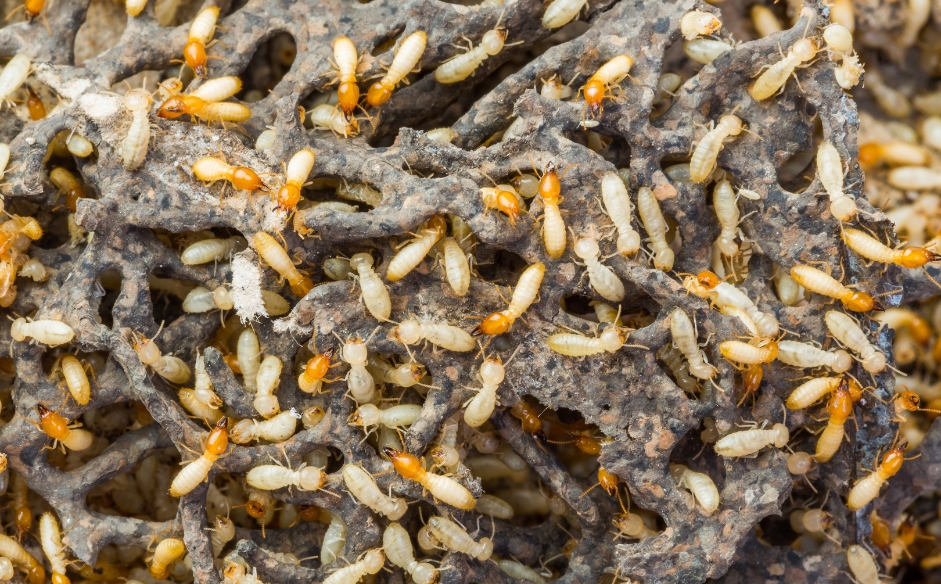
Not all termites behave the same way. One of the most common reasons termite treatments fail is because the method used does not match the type of termite infestation present. In Singapore, the two most common termite types encountered in homes and buildings are subterranean termites and drywood termites.
Understanding the differences between these termites explains why treatment approaches vary and why professional identification is critical.
Why Termite Species Identification Matters
Termite control is not a one-size-fits-all solution. Different termite species have different nesting habits, moisture requirements, and feeding behaviours. Treating the wrong species with the wrong method may only offer temporary relief while the colony continues to thrive.
Correct identification ensures:
- The entire colony is targeted
- Treatment reaches nesting and feeding areas
- Re-infestation risk is reduced
This is why professional inspection is the first step in effective termite control.
What Are Subterranean Termites?
Subterranean termites are the most destructive and commonly found termites in Singapore. They live in large colonies underground and rely heavily on moisture to survive.
These termites typically:
- Build nests in soil
- Travel through mud tubes to reach food sources
- Attack timber from the inside out
Because they remain hidden, infestations often go unnoticed until significant damage has occurred.
How Subterranean Termites Invade Homes
Subterranean termites enter buildings through concealed pathways. Even small cracks in concrete or gaps around pipes can provide access.
Common entry points include:
- Foundation cracks
- Expansion joints
- Utility and plumbing penetrations
- Damp soil near walls
Once inside, they can spread rapidly through wooden structures.
Treating Subterranean Termite Infestations
Because subterranean termites live in soil-based colonies, treatment focuses on breaking the connection between the colony and the structure.
Common treatment methods include:
- Soil treatment using termiticides
- Installation of chemical barriers
- Baiting systems that target the colony
These methods aim to eliminate or isolate the entire colony, not just the visible termites.
What Are Drywood Termites?
Drywood termites behave very differently from subterranean termites. As their name suggests, they do not require contact with soil and can survive in dry wood.
Drywood termites typically:
- Live inside wooden structures
- Do not build mud tubes
- Infest furniture, door frames, and roof timbers
Colonies are usually smaller, but can still cause extensive damage over time.
Signs of Drywood Termite Activity
Drywood termite infestations are often identified by the presence of distinctive signs.
Common indicators include:
- Small piles of pellet-like droppings
- Tiny holes in wooden surfaces
- Hollow or brittle-sounding wood
Because they live entirely within wood, infestations can remain localised but persistent.
Treating Drywood Termite Infestations
Drywood termite treatment focuses on eliminating termites within the affected wood rather than treating surrounding soil.
Common methods include:
- Localised wood treatment
- Injection of termiticides into infested areas
- Targeted fumigation in severe cases
These treatments are designed to penetrate the wood and eradicate hidden colonies.
Why Treatment Methods Differ Between the Two
The key reason treatment methods differ lies in where the termites live and how they access food.
Subterranean termites require:
- Soil-based treatment to reach the colony
- Barriers to prevent re-entry
Drywood termites require:
- Direct treatment of infested wood
- Targeted application to affected areas
Using soil treatment for drywood termites or wood treatment for subterranean termites will not fully resolve the problem.
Risks of Incorrect or Incomplete Treatment
Applying the wrong treatment can lead to:
- Temporary reduction in visible termites
- Continued damage behind walls or floors
- Re-infestation after treatment
This often results in higher long-term costs and repeated infestations.
The Role of Professional Termite Control
Professional termite control involves more than applying chemicals. It includes inspection, identification, treatment planning, and preventive measures.
A professional approach ensures:
- Correct species identification
- Appropriate treatment selection
- Long-term monitoring and protection
This comprehensive process is essential for lasting results.
Conclusion
Subterranean and drywood termites differ significantly in behaviour, nesting habits, and treatment requirements. Understanding these differences explains why effective termite control must be tailored to the specific species involved.
Attempting to treat termites without proper identification can lead to incomplete control and ongoing damage. Professional assessment and targeted treatment are the safest ways to protect your property.
At Ninja Pest Control, we specialise in identifying termite species and applying the correct treatment methods to eliminate infestations effectively. Early detection and expert intervention help safeguard your home against costly termite damage.