Bathrooms are meant to be places of cleanliness and calm — yet sometimes, strange buzzing, crawling, or musty smells remind us that we’re not alone. The hidden culprit? Your drain traps.
Moisture, darkness, and organic buildup make bathroom drains an ideal breeding ground for pests. Understanding what’s lurking there — and how to keep them out — is the first step to maintaining a healthy, pest-free home.
What Exactly Is a Drain Trap?
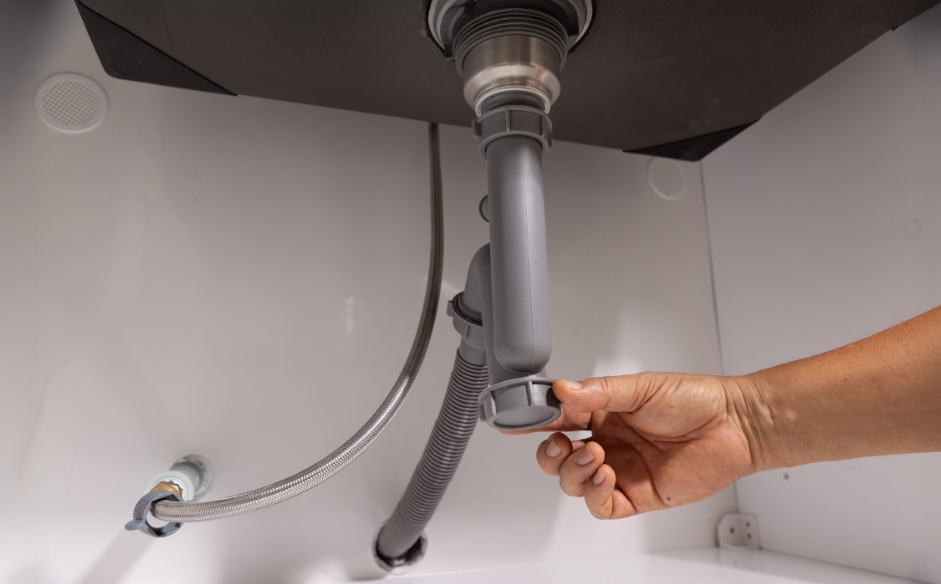
A drain trap (often called a P-trap or U-bend) is the curved section of pipe beneath sinks, showers, and bathtubs. It holds a small amount of water to prevent sewer gases and pests from travelling up into your bathroom.
However, when the trap dries out or becomes clogged with organic material, it can lose its protective seal — allowing pests easy access to your home.
Common Pests Found in Bathroom Drains
Here are the usual suspects hiding in or entering through bathroom drain traps:
Pest | Why They’re Attracted | What to Look For |
|---|---|---|
Drain flies | Thrive in the sludge of organic buildup — soap scum, hair, and bacteria inside pipes. | Tiny, fuzzy flies hover around sinks or drains. |
Cockroaches | Seek moisture and warmth; can crawl from sewers into dry traps. | Droppings, musty smell, or nighttime sightings near drains. |
Silverfish | Prefer dark, humid spaces; feed on starches, glue, and paper. | Fast-moving, silvery insects on walls or floors. |
Mosquitoes | Stagnant water in the floor traps provides a breeding site. | Mosquito bites or larvae in the drain water. |
Fruit flies or gnats | Attracted to organic residue from shampoos or soap. | Small flies buzzing near sinks or bathtubs. |
How These Pests Get In
- Dry drain traps – When unused for weeks, the water in the U-bend evaporates, breaking the seal that blocks sewer pests.
- Organic buildup – Hair, soap residue, and dead skin cells provide a perfect food source and nesting area.
- Cracked or loose fittings – Gaps around drainpipes can allow pests to crawl in.
- Excess humidity – Damp, poorly ventilated bathrooms encourage pest activity.
Why You Should Take It Seriously
Finding pests in your bathroom isn’t just unpleasant — it could point to deeper hygiene or plumbing issues.
- Health risks: Cockroaches and flies can carry bacteria that contaminate surfaces.
- Allergy triggers: Pest droppings and body parts can worsen asthma and allergies.
- Plumbing damage: Persistent pests may indicate leaks or decaying pipes.
- Odours: Organic buildup and pest waste can create lingering smells.
Addressing the problem early prevents these risks from escalating.
How to Prevent Pests in Bathroom Drains
A few regular maintenance steps can make a big difference in keeping your drains clean and pest-free.
1. Keep Drain Traps Wet
Run water in rarely used sinks or floor drains at least once a week. This keeps the water barrier intact.
For drains that aren’t used often, pour a small amount of mineral oil over the trap water — it slows down evaporation.
2. Clean Drains Regularly
Organic matter builds up quickly inside pipes.
- Use a drain brush or an old toothbrush to scrub away grime.
- Pour a mixture of baking soda and vinegar down the drain once a week to break down residue.
- Follow with boiling water to flush everything through.
- Avoid harsh chemical cleaners that may corrode your pipes.
3. Seal and Inspect
Check for gaps or cracks around drainpipes and under sinks. Seal any holes or spaces where pests might enter.
Make sure drain covers are tightly fitted and in good condition.
4. Control Humidity
Use a bathroom fan or open windows after showers to reduce dampness.
Wipe down wet surfaces and repair leaks promptly — standing water is a pest magnet.
5. Monitor for Activity
Keep an eye out for small flies hovering near drains or other telltale signs of pests.
If you notice repeated infestations, it may indicate a deeper issue within the plumbing or floor traps.
DIY Remedies That Work
Here are some simple, effective things you can do right now:
- Pour boiling water down bathroom drains weekly.
- Use baking soda and vinegar as a natural drain cleaner.
- Install mesh screens over floor traps to block pest entry.
- Keep the drain plugs closed when not in use.
- Ensure the bathroom stays dry and well-ventilated.
When to Call a Professional
If you’ve cleaned, flushed, and sealed but pests keep returning, it’s time to call an expert.
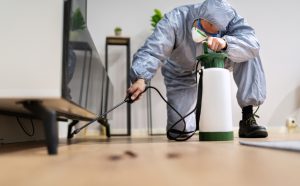
Professional pest control teams can identify the exact source of infestation — whether it’s in your drainpipes, walls, or flooring — and apply safe, targeted treatments that eliminate pests without harming your plumbing or indoor air quality.
They can also recommend preventive sealing and sanitation steps to stop the problem from recurring.
How Ninja Pest Can Help
At Ninja Pest, we understand that bathroom pests can be frustrating and embarrassing — especially when they keep coming back. Our technicians are trained to locate the root cause of infestations, including hidden breeding grounds in drain traps and plumbing lines.
We use eco-friendly, non-corrosive treatments designed to be safe for families, pets, and plumbing systems. Beyond eliminating the pests you see, we help prevent future infestations through detailed inspections and tailored maintenance advice.
Takeaway
Your bathroom should be a place of relaxation — not a hideout for pests. By maintaining your drain traps, reducing humidity, and scheduling regular cleanings, you can stop most infestations before they start.
If you’re still battling mysterious flies, cockroaches, or silverfish in your bathroom, it’s time to call in professional pest control.