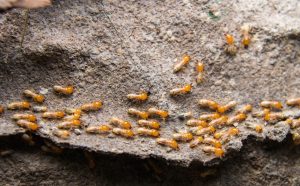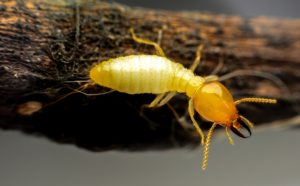
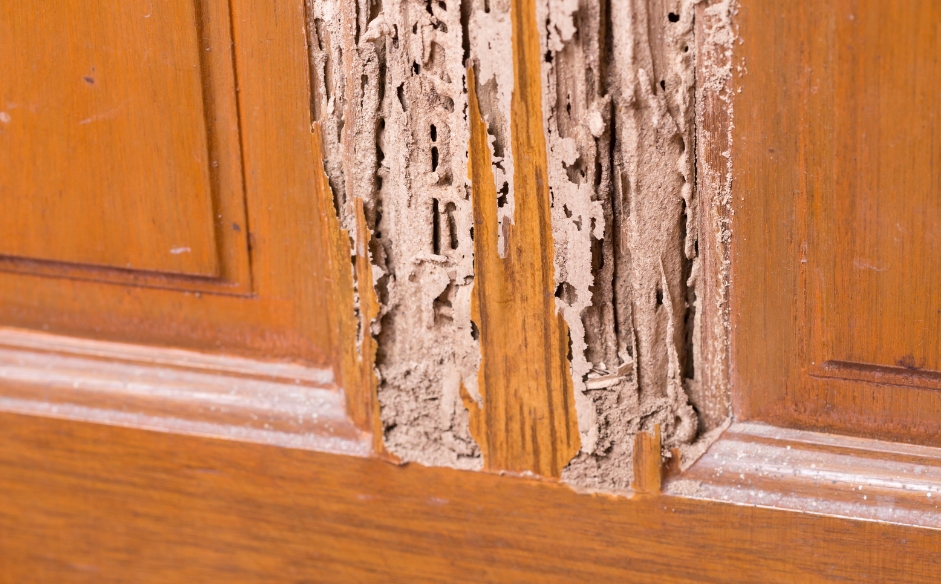
Built-in wardrobes and custom carpentry add value to your home, but they can become costly if termites invade. These pests cause millions in property damage across the UK each year, with timber features especially at risk.
The good news? Preventing termites is cheaper and easier than dealing with an infestation. Whether you’re installing new built-ins or protecting existing carpentry, learning how to make them termite-resistant can save you thousands in repairs and preserve your home’s value.
Today, we will cover everything you need to know about protecting built-in carpentry, from material choices to maintenance tips that keep termites away.
Understanding Why Termites Target Built-In Carpentry
Termites need three things to survive: cellulose (wood), moisture, and shelter from light. Built-in wardrobes and carpentry often provide all three.
Unlike freestanding furniture that can be easily inspected, built-ins create hidden spaces where termites can go unnoticed for months or years. The timber framework, shelving, and backing boards offer a large food source, while the enclosed design creates the dark, humid environment termites love.
Wall-mounted and floor-to-ceiling units are especially at risk as they often touch structural timbers, giving termites easy access to spread through your home.
Choose Termite-Resistant Materials
The foundation of termite prevention starts with smart material choices during the design and construction phase.
Naturally Resistant Timber Options
Some timber species naturally repel or poison termites. Cedar, teak, and redwood are highly resistant but expensive. For a more affordable option, jarrah and spotted gum provide good resistance.
Avoid using softwoods like pine for structural elements, as they are highly vulnerable to termites and unsuitable for moist or ground-contact areas.
Engineered Alternatives
Modern engineered materials often offer better termite resistance than natural timber. Marine-grade plywood treated with borates repels termites while remaining easy to work with.
Metal frames made of powder-coated steel or aluminium eliminate cellulose entirely. While they may cost more upfront, they are virtually termite-proof and often outlast timber.
Composite materials like MDF can include termite-resistant additives, but quality varies. Always check treatment details before buying.
Strategic Design and Installation
Thoughtful design choices during installation create multiple barriers against termite entry and establish early warning systems for potential problems.
Maintain Inspection Access
Never seal built-in installations completely against walls or floors. Leave small gaps or removable panels for regular termite inspections. A 10mm gap around the perimeter allows checks for mud tubes and other signs of termites.
Where possible, design installations with removable panels to access wall cavities behind wardrobes, where termites often start before spreading to the carpentry.
Elevate Off the Ground
Raise built-in installations at least 150mm above floor level where structurally feasible. This creates a clear inspection zone and reduces the risk of ground-dwelling termites making direct contact with timber components.
For floor-to-ceiling installations, use metal legs or concrete plinths to support the structure rather than timber posts that connect directly to the flooring.
Control Moisture
Install ventilation systems in large wardrobes to prevent humidity buildup. Small battery-powered fans or vents can keep air circulating without affecting the design.
Fix plumbing leaks or drainage issues before installing built-in carpentry, as even minor moisture problems can worsen when trapped behind closed spaces.
Apply Professional-Grade Treatments
Chemical treatments provide an additional layer of protection, particularly when combined with resistant materials and smart design choices.
Borate Treatments
Borate-based preservatives penetrate timber deeply, creating a toxic environment for termites that lasts decades. These treatments are most effective when applied before installation, ensuring all surfaces are protected.
Professional application ensures proper coverage and concentration, while DIY treatments often miss key areas or use inadequate chemicals.
Barrier Treatments
Physical barriers around installations force termites to expose themselves when trying to access timber. Stainless steel mesh and granite particles create barriers that redirect termites to visible areas.
Chemical soil treatments form protective zones around installations, killing termites before they reach timber. These treatments last 5-8 years and require professional application for best results.
Establish Regular Maintenance Routines
Even the best prevention strategies require ongoing vigilance to remain effective over time.
Scheduled Inspections
Inspect built-in carpentry every three months, focusing on where timber meets walls or floors. Look for mud tubes, wood damage, or termite droppings that suggest infestations.
Probe timber gently with a screwdriver or awl to check for soft spots. Damaged wood will feel weak and may reveal hollow galleries below the surface.
Environmental Controls
Use digital hygrometers to monitor humidity in large wardrobes, keeping levels below 60% to deter termites.
Regularly clean storage areas to avoid cellulose buildup from paper, cardboard, or natural fabrics that can attract termites.
Professional Assessments
Schedule annual termite inspections, even if there’s no visible activity. Professional termite control can spot early signs and recommend treatments before issues worsen.
For high-value installations, consider thermal imaging every 2-3 years. This non-invasive method detects hidden termite activity before damage appears.
Takeaway
Termite prevention is best achieved with proactive planning. While the strategies above work best during the design phase of new carpentry, existing installations can still benefit from retrofitted treatments and monitoring systems.
Start by assessing your current built-in features for vulnerabilities like moisture, ground contact, or past termite activity nearby. Address these issues systematically, beginning with the highest-risk areas.
For new projects, include termite prevention in your budget. Investing in resistant materials and professional treatments costs far less than potential damage and extends the lifespan of your property.