
If you live in a condominium in Singapore, chances are you’ve seen pest control notices on the lift lobby or received reminders about routine treatments. While building management often engages professionals to handle common areas, individual units can still face issues — from cockroaches and ants to termites and rodents.
That raises the question many condo residents ask: Is quarterly pest control really worth it?
Let’s break down what quarterly pest control involves, why it matters for condos in Singapore, and how it helps protect your home from persistent infestations.
Why Condos Still Need Regular Pest Control
Condominiums are high-density environments where residents share walls, ceilings, drainage systems, and waste disposal areas. This setup creates ideal pathways for pests to move between units.
Even if your unit is spotless, pests can easily migrate from:
- Neighbouring units with infestations
- Common bin chutes or refuse areas
- Garden planters and carparks
- Roof and ceiling voids connected to multiple units
The warm and humid Singapore climate further supports pest activity throughout the year, especially for ants, cockroaches, and termites.
Without consistent pest control, these pests can spread rapidly, causing hygiene issues and property damage that are harder and more costly to fix later.
What “Quarterly Pest Control” Actually Means
“Quarterly pest control” refers to a scheduled pest management service performed every three months (four times a year).
Most professional pest control companies recommend this routine frequency — including Ninja Pest — because it aligns with the average life cycle of common pests in Singapore.
Typical Steps in a Quarterly Pest Control Programme
- Inspection: A thorough assessment of your condo unit and surroundings to identify pest hotspots.
- Treatment: Application of targeted treatments such as gel baits, residual sprays, or granular insecticides, depending on the pest type.
- Monitoring: Placement of traps or monitoring stations to track pest activity between visits.
- Follow-up: Recommendations for prevention, sealing gaps, or sanitation improvements.
Each visit builds on the previous one, ensuring that pest populations are controlled before they can rebound or spread to neighbouring units.
Why Quarterly Treatments Work Best for Condos
1. Keeps Pest Populations Under Control
Pests breed quickly. Cockroaches, for example, can produce hundreds of offspring in just a few months. A quarterly treatment schedule interrupts these breeding cycles, preventing infestations before they escalate.
2. Protects Shared Structures and Utilities
Condo buildings share plumbing and drainage systems, which often serve as hidden pest highways. Regular treatment helps keep these common pathways protected from ants, cockroaches, and drain flies.
3. Minimises Health and Hygiene Risks
Pests carry bacteria that can contaminate food and surfaces. Routine pest management helps safeguard your family’s health — especially for units with young children or elderly residents who may be more sensitive to allergens and bites.
4. Prevents Structural Damage
Termites and wood-boring insects can quietly destroy built-in furniture or wooden flooring. Quarterly inspections help detect early signs of infestation before the damage becomes extensive.
5. Complements Condo MCST Pest Control
Most Management Corporations (MCSTs) only handle pest control for common areas such as lift lobbies, bin centres, and carparks. Individual residents remain responsible for treating pests inside their own units.
Regular professional visits ensure your home remains protected even when neighbouring units attract pests.
Common Pests in Singapore Condos
Understanding which pests are most active in Singapore’s condos can help explain why regular treatment is essential:
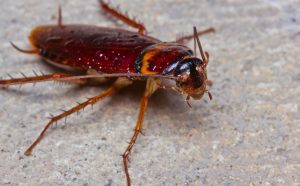
Cockroaches
They thrive in warm, moist areas like kitchens and bathrooms. Even clean homes can attract them if neighbouring units are infested.
Ants
Tiny ants often invade kitchen counters and electrical sockets in search of food. Once they establish a trail, colonies multiply rapidly.
Termites
Subterranean termites can travel underground or through concealed wall cavities, feeding on wood and causing costly structural damage.
Rodents
Rats and mice can enter from bin chutes or service ducts, contaminating food and wiring.
Mosquitoes
Balconies, planters, and clogged drains can become breeding grounds, especially for Aedes mosquitoes, which spread dengue fever.
Quarterly pest control visits are timed to tackle these pests proactively throughout the year, adapting treatments to seasonal changes and infestation trends.
Bed Bugs
These nocturnal pests hide in mattresses and furniture, feeding on human blood at night. They spread easily between condo units and require professional treatment for full removal.
Is Quarterly Pest Control Really Necessary?
Some homeowners assume that pest control is only needed when a problem appears, but waiting until pests are visible often means the infestation has already taken hold.
Here’s how regular pest control offers better long-term value:
Approach | Pros | Cons |
|---|---|---|
Reactive (only when pests appear) | Lower short-term cost | Higher repair and treatment costs later, recurring infestations |
Quarterly preventive treatment | Long-term protection, consistent monitoring, early detection | Requires small recurring fee |
Over time, preventive pest control is more cost-effective and provides peace of mind — much like regular aircon servicing or home maintenance.
How Ninja Pest Customises Quarterly Plans
At Ninja Pest Control Singapore, quarterly pest control plans are designed around your condo’s layout, pest risks, and lifestyle needs.
Here’s what sets our approach apart:
1. Tailored Treatments for Each Unit
Every condo is different. We inspect each unit to identify entry points, hiding areas, and food sources before applying targeted treatments.
2. Eco-Friendly and Safe Formulations
We use low-toxicity and odourless treatments that are safe for children, pets, and sensitive environments, while effectively eliminating pests.
3. Consistent Monitoring and Reporting
Our technicians track pest trends across visits, allowing us to adjust methods for long-term effectiveness. You’ll also receive detailed reports after every session.
4. Integrated Pest Management (IPM)
Beyond chemical treatments, we focus on prevention — sealing entry gaps, advising on food storage, and improving sanitation practices.
This holistic approach ensures that pests are not just removed temporarily but kept away permanently.
When Quarterly Pest Control Might Not Be Necessary
While quarterly treatment is ideal for most condos, exceptions exist:
- Vacant units with minimal food or moisture sources may not need frequent servicing.
- Newly treated units can sometimes extend the interval to every 4–6 months, depending on pest activity.
However, for most occupied homes — especially ground-floor or low-level units — quarterly visits strike the best balance between prevention and cost-efficiency.
Takeaway
Quarterly pest control isn’t just about convenience — it’s about long-term protection, hygiene, and peace of mind. For condo residents in Singapore, where pests can travel easily between units, prevention is far more effective than last-minute fixes.
If you’re looking for a trusted professional to safeguard your home, Ninja Pest Control Singapore offers affordable and reliable quarterly pest management plans. Our experts use safe, targeted treatments designed for condo environments — keeping your space pest-free all year round.
Contact us today to learn more about our quarterly packages and schedule your first inspection.