
Spotting a single ant wandering across your kitchen counter or hearing a mysterious scratching sound in the walls can trigger immediate concern. But does one insect or odd noise mean you’re facing a full-blown infestation? The answer isn’t always straightforward.
Understanding the difference between a temporary visitor and a genuine pest problem can save you time, money, and unnecessary stress. Today, we will help you identify the warning signs that separate isolated incidents from situations requiring immediate action.
Understanding the Difference Between Visitors and Infestations
Not every pest you encounter has settled in for the long haul. Many insects and small animals are simply passing through your home whilst searching for food, water, or shelter. These temporary visitors often arrive by accident and will leave on their own once they realise your space doesn’t meet their needs.
A true pest problem, however, involves creatures that have established themselves in your home. They’ve found reliable food sources, suitable nesting sites, and conditions that support reproduction. These pests view your property as their permanent residence rather than a brief stopover.
The key lies in recognising patterns. Single sightings might indicate visitors, whilst repeated encounters suggest something more serious.
Common Signs of a Genuine Pest Problem
a) Multiple Sightings Over Time
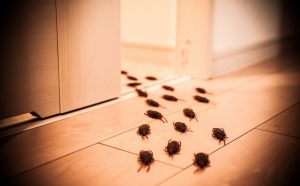
One cockroach might have wandered in from outside, but spotting several over consecutive days indicates a colony. Similarly, finding multiple mice droppings in different locations suggests an active infestation rather than a single lost rodent.
Pay attention to timing as well. Pests that have settled in your home will appear regularly, often at similar times of day when they feel safest to forage.
b) Evidence of Nesting or Breeding
Discovering nest materials is a clear sign that pests have moved beyond visiting. Look for:
- Shredded paper, fabric, or insulation in hidden areas
- Small holes in walls, especially near floor level
- Clusters of eggs or larvae
- Shed skins from growing insects
- Scratching or gnawing sounds from within the walls or ceilings
c) Consistent Damage Patterns
Random damage might result from a passing visitor, but systematic destruction indicates established residents. Check for:
- Chewed food packaging in pantries
- Gnaw marks on wooden surfaces or furniture
- Holes in clothing or fabrics
- Damaged plants or garden areas
- Structural damage to insulation or wiring
d) Persistent Odours
Many pests produce distinctive smells that become noticeable during infestations. These might include:
- Musty, stale odours from rodent urine
- Sweet, oily smells from cockroach colonies
- Rotten or fermented scents from decomposing organic matter
- Ammonia-like odours from accumulated waste
Species-Specific Warning Signs
Different pests exhibit unique behaviours that help identify whether you’re dealing with visitors or residents.
Ants
Single scout ants often explore new territories without establishing colonies.
However, ant trails, multiple entry points, or discovering the colony itself indicate a serious problem. Some species, like carpenter ants, cause structural damage that requires immediate attention.
Rodents
Mice and rats rarely travel alone. Finding droppings, hearing scratching sounds, or discovering chewed materials suggests active infestations.
Fresh droppings appear dark and moist, whilst old droppings from previous visitors turn grey and crumbly.
Flying Insects
Occasional flies or wasps might enter through open doors or windows. Consistent appearances, especially of the same species, indicate nearby breeding sites.
Fruit flies multiplying around food sources or wasps building nests represent established problems.
Crawling Insects
Cockroaches, beetles, and other crawling pests typically avoid human contact.
Seeing them during daylight hours often indicates overcrowding in their hiding places, suggesting large populations.
When to Take Action
Immediate action becomes necessary when evidence points to established infestations rather than temporary visitors. Don’t wait for problems to escalate if you notice:
- Multiple pest sightings within a short timeframe
- Evidence of reproduction or nesting
- Structural damage or contamination
- Health risks from disease-carrying pests
- Persistent problems despite initial control efforts
Professional Assessment
Consider professional pest control services when:
- DIY methods prove ineffective
- Infestations spread to multiple areas
- Structural damage becomes apparent
- You’re dealing with potentially dangerous species
- Problems persist despite repeated efforts
Prevention Strategies
Preventing pest problems proves more effective than treating established infestations. Focus on eliminating factors that attract both visitors and potential residents.
Eliminate Food Sources
Keep pests away by storing food in sealed containers, cleaning up crumbs, maintaining clean bins with secure lids, removing pet food after meals, and fixing leaks to eliminate standing water.
Block Entry Points
Seal openings, install door sweeps and screens, repair weatherstripping, fill gaps around utility lines, and trim vegetation to protect your home effectively.
Reduce Shelter Options
Keep your property pest-free by decluttering storage areas, maintaining clean basements and attics, clearing debris from foundations, storing firewood away from structures, and keeping gardens tidy.
Takeaway
Distinguishing between temporary visitors and genuine pest problems requires careful observation and understanding of pest behaviour.
Single sightings shouldn’t cause panic, but patterns of activity, evidence of nesting, and signs of reproduction indicate serious problems requiring immediate attention.
Remember that early intervention proves more effective and less expensive than waiting for problems to escalate. When in doubt, consult with pest control professionals who can provide expert assessment and targeted solutions.
Ninja Pest For Pest Control
Maintaining a pest-free home can be daunting, but Ninja Pest is here to help. Our team of trained professionals specialises in pest control and management, offering targeted solutions for all types of pests.
From ants and cockroaches to rodents and termites control, we have the skills and tools to effectively eliminate any pest problem.