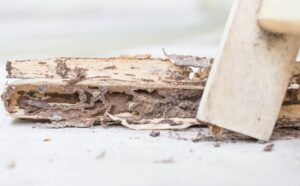

It’s late at night, and you hear faint clicking or rustling coming from behind a wall or wooden cabinet. Could it be termites?
In Singapore’s warm and humid climate, termites are one of the most common and destructive household pests. Many homeowners first discover them not by sight, but by sound — especially at night, when the house is quiet.
So, can you really hear termites at night? Yes, in some cases — but it’s important to understand what those sounds mean and when to call for professional help.
Why Termites Seem Louder at Night
Termites are active 24 hours a day, but they tend to be more noticeable after dark. That’s not because they’re nocturnal, it’s because of the environment.
- Less background noise: With fewer sounds from traffic or appliances, subtle termite noises stand out.
- Enhanced acoustics: Quiet walls and wooden structures can amplify faint vibrations.
- Higher humidity: Cooler, more humid air at night encourages termites to stay closer to wood surfaces.
In short, you’re not imagining it — nighttime just makes termite activity easier to hear.
What Do Termites Sound Like?
Termites don’t chirp or buzz like other insects. Instead, the sounds they make are subtle and irregular, often mistaken for light tapping or crackling. Here’s what each type of sound might mean:
Clicking or Tapping
This is the most distinct termite noise — a dry, rhythmic tapping sound. It’s made by soldier termites banging their heads or bodies against the tunnel walls to warn the colony of danger. Think of it as their built-in alarm system.
Rustling or Crunching
A faint rustling, crackling, or crunching may indicate worker termites chewing through wood, wallpaper, or cardboard. Since termites feed nonstop, this sound can continue for hours in one spot.
Hollow Echo When Tapping Wood
If you knock on wooden walls or furniture and hear a hollow sound, that’s a red flag. Termites often eat wood from the inside out, leaving a thin outer shell that sounds empty when tapped.
These noises usually come from behind walls, skirting boards, ceilings, or wooden fixtures — anywhere termites can feed undisturbed.
Common Spots Where Termites Make Noise
In Singapore homes, termite activity is often detected in:
- Wooden door and window frames
- Parquet or laminate flooring
- Built-in wardrobes and cabinets
- False ceilings or partition walls
- Roof beams or attic structures
If you suspect termites, take note of where you hear the sound most clearly. Professionals use that information to pinpoint the source of infestation.
Are You Sure It’s Termites? (And Not Something Else)
Not every mysterious noise points to termites. Here’s how to tell the difference:
Sound | Likely Source | How to Tell |
|---|---|---|
Rhythmic clicking or tapping | Termites | Consistent and faint, from within walls or wood |
Random scratching | Rodents or lizards | Louder, more erratic, shifts location |
Buzzing | Insects or flies | Airborne sound, not from wood |
Creaking or popping | Wood expansion | Happens briefly with temperature change |
If the noise is persistent, occurs in several areas, or comes with mud trails, discarded wings, or damaged wood, termites are the likely culprit.
Why You Should Never Ignore Termite Sounds
Hearing termites is often a sign that the infestation is already advanced. By the time you can hear them, the colony may have already damaged wooden furniture or structural elements.
Here’s why quick action matters:
- They work 24/7. Termites eat continuously and spread rapidly.
- Damage is hidden. They feed from the inside out, often unnoticed until it’s too late.
- DIY sprays rarely help. Household insecticides may only kill visible termites while the colony remains deep inside.
The longer you wait, the more extensive — and expensive — the damage can become.
How Professionals Detect Termite Activity
At Ninja Pest Control, our technicians use a mix of visual inspection and specialised detection tools to confirm termite presence, such as:
- Moisture meters – to identify damp zones termites prefer.
- Borescopes – to check behind walls without major drilling.
- Acoustic sensors – to detect subtle termite movement or feeding.
This allows for precise treatment, targeting the nest rather than just the surface signs.
Effective Ways to Stop Termite Activity
If termite sounds are confirmed, professionals may use one or more of the following treatments:
1. Baiting Systems
Slow-acting baits strategically placed around your home allow worker termites to bring poison back to the colony, wiping it out entirely.
2. Liquid Termiticides
Applied to soil or wall perimeters, these create a chemical barrier that prevents termites from entering or spreading further.
3. Localised Spot Treatments
For small infestations, direct injection treatments can stop activity quickly in specific wooden areas.
At Ninja Pest, we combine these approaches under an Integrated Termite Management Plan, ensuring long-term control and prevention.
Preventing Termite Problems Before They Start
Regular pest maintenance is the best defence against silent termite damage. Simple preventive steps include:
- Keeping wooden furniture away from damp walls
- Fixing leaks and moisture sources promptly
- Avoiding long-term wood contact with soil
- Scheduling annual termite inspections
Even if you don’t see visible signs, periodic checks help detect early activity before costly damage occurs.
Final Thoughts
Yes — you can hear termites at night. The faint clicking or rustling behind your walls is often a sign that they’re already active, silently feeding and expanding their colony.
If you notice these sounds or any other suspicious signs, don’t wait. Contact Ninja Pest for a professional termite inspection and treatment plan. Our experts use proven, safe methods to detect and eliminate termites effectively — protecting your home from further damage, day and night.