Termites are often thought of as a problem confined to a single home, but in reality, infestations can extend beyond individual units. For homeowners living in terraces, semi-detached houses, condominiums, or apartment blocks, a common concern is whether termites can spread from one unit to another.
The short answer is yes. Termites can and do spread between neighbouring units under the right conditions. Understanding how this happens is key to preventing widespread damage and protecting your property.
How Termites Move and Spread
Termites are highly organised social insects that live in colonies, often hidden underground or within building structures. Instead of moving randomly, they travel through protected pathways that allow them to access food sources safely.
They typically spread by:
- Building underground tunnels through soil
- Travelling through cracks in concrete and walls
- Moving along shared structural elements
Because termites feed on cellulose-based materials, any connected structure can become a pathway.
Shared Structures Increase the Risk
Neighbouring units often share structural components that termites can exploit. Even if units appear separate on the surface, hidden connections can exist.
Common shared elements include:
- Party walls between terrace or semi-detached houses
- Shared foundations and floor slabs
- Plumbing and pipe penetrations
- Expansion joints and construction gaps
These connections allow termites to move unnoticed from one unit to another.
Can Termites Move Between Apartments or Condos?
Yes, termites can spread between apartments or condominiums, especially in older buildings or developments with shared structural systems.
In multi-storey buildings, termites may:
- Travel vertically through service shafts
- Use plumbing and electrical conduits as access routes
- Infest wooden door frames, skirting boards, or built-in cabinets
A termite problem in one unit can become a building-wide issue if left untreated.
Why One Untreated Unit Puts Others at Risk
Termite colonies do not recognise property boundaries. Treating only one affected unit may not eliminate the entire colony if neighbouring units remain untreated.
Risks of partial treatment include:
- Continued colony survival
- Re-infestation after treatment
- Spread to adjacent units
This is why coordinated inspections and treatment are often necessary in connected properties.
Early Warning Signs in Neighbouring Units
Termites are difficult to detect in their early stages, but there are signs that may indicate spread from a nearby unit.
Common warning signs include:
- Hollow-sounding wood
- Bubbling or peeling paint
- Mud tubes along walls or foundations
- Discarded termite wings near windows or doors
If a neighbouring unit has a confirmed infestation, nearby homes should be inspected as a precaution.
Preventive Measures for Connected Homes
Preventing termite spread requires a proactive approach, especially in properties with shared structures.
Effective prevention strategies include:
- Regular professional termite inspections
- Soil or barrier treatments around foundations
- Sealing cracks, gaps, and pipe penetrations
- Reducing moisture in kitchens, bathrooms, and utility areas
Preventive treatments can stop termites before they migrate between units.
The Importance of Professional Termite Treatment
DIY solutions rarely address the root of a termite infestation. Professional treatments are designed to eliminate colonies and create long-term protection.
Professional termite control typically involves:
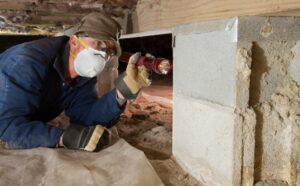
- Thorough inspection of affected and adjacent areas
- Identification of termite species and colony location
- Targeted treatment using approved methods
- Preventive measures to reduce future risk
In connected properties, professional coordination ensures effective results.
When Should You Act?
If termites are found in a neighbouring unit, immediate action is recommended, even if your home shows no visible signs. Early inspection and preventive treatment are far less costly than repairing structural damage later.
Act promptly if:
- A neighbour reports termite activity
- Renovation work exposes termite damage nearby
- Your home shares walls or foundations with affected units
Early intervention protects both your property and your neighbours.
Conclusion
Termites can and do spread between neighbouring units through shared structures, foundations, and hidden pathways. Treating infestations in isolation may not be enough when properties are connected.
Protecting your home requires awareness, early detection, and professional intervention. By proactively addressing termite risks, homeowners can prevent extensive damage and costly repairs.
At Ninja Pest Control, we provide comprehensive termite inspections and treatments designed to protect individual homes and neighbouring units alike. If you suspect termite activity nearby, professional assessment is the safest way to safeguard your property.