Concrete walls provide excellent protection against many pests, but Singapore homeowners often wonder whether these barriers can stop one of the island’s most persistent invaders: termites. The answer might surprise you.
Termites cannot actually eat through concrete walls. However, this doesn’t mean your concrete home is completely termite-proof. These resourceful insects have developed clever ways to bypass concrete barriers, exploiting tiny cracks and gaps that most homeowners never notice.
Today, we will explore how termites interact with concrete structures, the vulnerabilities they exploit, and practical steps you can take to protect your Singapore home from these destructive pests.
Understanding Termite Biology and Feeding Habits
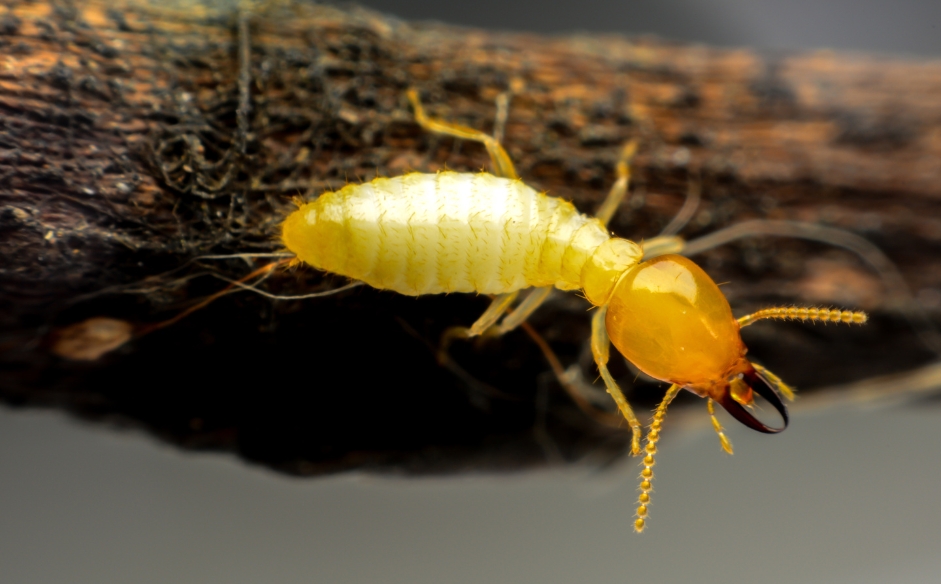
Termites possess powerful mandibles designed to break down cellulose, the primary component of wood and plant matter. While these jaws are remarkably strong for their size, they cannot chew through concrete, steel, or other mineral-based materials.
Singapore’s tropical climate hosts several termite species, with subterranean termites being the most common threat to residential properties. These termites live in underground colonies and require constant moisture to survive, making them particularly attracted to the humid conditions found around building foundations.
What Termites Actually Eat
Termites consume:
- Wood and timber structures
- Paper and cardboard
- Cotton fabrics
- Plant-based materials
- Some plastics and synthetic materials
They cannot digest concrete, metal, glass, or stone. This biological limitation forms the basis of many termite prevention strategies.
How Termites Navigate Concrete Barriers
Although termites cannot eat concrete, they demonstrate remarkable ingenuity in finding ways around these obstacles. Understanding their methods helps homeowners identify potential vulnerabilities.
Exploiting Cracks and Gaps
Termites can squeeze through gaps as small as 1/32 of an inch—roughly the thickness of a business card. Common entry points include:
- Foundation Cracks: Singapore’s tropical weather patterns cause concrete to expand and contract, creating hairline cracks over time. Termites exploit these openings to access wooden structures above.
- Plumbing Penetrations: Areas where pipes pass through concrete walls often have small gaps sealed with flexible materials. These seals can deteriorate, providing termite access routes.
- Electrical Conduits: Similar to plumbing, electrical installations create potential entry points if not properly sealed.
- Construction Joints: Expansion joints and connections between concrete sections may develop gaps that termites can exploit.
Building Mud Tubes
Subterranean termites construct mud tubes to travel between their underground colonies and food sources. These tubes serve multiple purposes:
- Protection from predators
- Moisture retention
- Temperature regulation
Termites build these tubes along concrete surfaces, effectively using walls as highways to reach wooden structures above ground level.
Singapore-Specific Termite Challenges
Singapore’s unique environment creates specific challenges for termite control that homeowners should understand.
Climate Factors
The island’s consistently warm temperatures and high humidity create ideal conditions for termite activity year-round.
Unlike temperate climates, where termite activity decreases during winter months, Singapore homeowners face constant termite pressure.
Urban Development Patterns
Singapore’s rapid urban development often involves:
- Building on reclaimed land
- High-density construction
- Mixed-use developments
These factors can create complex termite management challenges, as colonies may span multiple properties or access buildings through shared infrastructure.
Construction Materials
Many Singapore homes combine concrete structural elements with wooden features such as:
- Wooden door frames
- Timber flooring
- Built-in furniture
- Roof trusses
This combination creates numerous potential targets for termites that successfully bypass concrete barriers.
Identifying Termite Activity Around Concrete
Early detection is crucial for preventing extensive termite damage. Watch for these warning signs around concrete areas:
Visual Indicators
- Mud Tubes: Look for pencil-thin, brown tubes running along concrete foundations, walls, or pillars. These tubes often appear in protected areas like basements or under staircases.
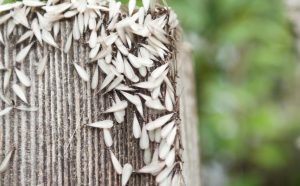
- Discarded Wings: After swarming, termites shed their wings. Finding piles of discarded wings near concrete structures may indicate nearby colony activity.
- Frass: Termite droppings, known as frass, appear as small, pellet-like deposits. While more common with drywood termites, finding frass near concrete areas suggests active infestations.
Structural Signs
- Hollow-Sounding Wood: Tap wooden structures near concrete walls. Hollow sounds may indicate termite damage behind seemingly solid surfaces.
- Sagging Floors: Termites often attack floor joists from below, accessing them through gaps in concrete foundations.
- Tight-Fitting Doors: Termite damage can cause wooden door frames to warp, making doors difficult to open or close.
Prevention Strategies for Concrete Homes
Protecting your Singapore home requires a multi-layered approach that addresses termite access points while maintaining structural integrity.
Physical Barriers
- Crack Sealing: Regularly inspect and seal cracks in concrete foundations, walls, and floor slabs. Use appropriate concrete crack sealers or expanding foam for smaller gaps.
- Proper Drainage: Ensure proper drainage around your home’s foundation. Standing water creates ideal conditions for termite colonies and can accelerate concrete deterioration.
- Ventilation: Improve airflow around concrete structures to reduce moisture levels that attract termites.
Chemical Treatments
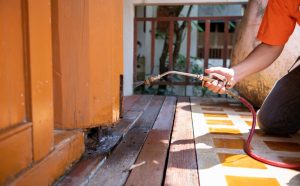
- Soil Treatment: Apply termiticide to the soil around concrete foundations. These treatments create chemical barriers that repel or kill termites attempting to access your home.
- Concrete Slab Injection: For homes with concrete slab foundations, specialised injection treatments can create protective barriers beneath the structure.
Regular Maintenance
- Annual Inspections: Schedule professional termite inspections at least once yearly. Singapore’s pest control professionals understand local termite species and can identify vulnerabilities specific to your property.
- Monitoring Systems: Install termite monitoring stations around your property’s perimeter. These devices detect termite activity before infestations become severe.
Professional Treatment Options
When prevention fails, professional intervention becomes necessary. Singapore offers various treatment options suited to different infestation levels and property types.
Baiting Systems
Professional baiting systems use termite biology against them.
Termites consume baits containing slow-acting toxins, which they carry back to their colonies. This method effectively eliminates entire colonies without extensive chemical treatments.
Drilling and Injection
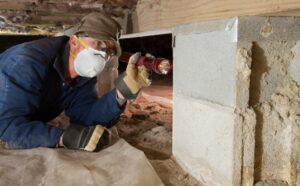
For severe infestations, professionals may drill small holes in concrete foundations to inject termiticides directly into affected areas. This targeted approach minimises environmental impact while maximising effectiveness.
Fumigation
In extreme cases, structural fumigation may be necessary.
This process involves sealing the entire building and introducing gaseous termiticides that penetrate all areas, including those inaccessible through conventional treatments.
Takeaway
Concrete provides excellent protection against termite damage, but understanding its limitations helps homeowners take appropriate precautions.
Regular maintenance, professional inspections, and prompt treatment of any issues will keep your Singapore home termite-free.
Remember that termite control is an ongoing process, not a one-time treatment. Singapore’s climate and urban environment create constant challenges that require vigilant monitoring and professional expertise.